South Florida Preconstruction Trends for 2026
A new South Florida condominium is no longer sold on a glossy rendering alone. Buyers want to know how they will use the residence, what makes the address distinct, how the developer is structuring deposits, and whether the building will hold its appeal long after closing. That is the real story behind South Florida preconstruction trends in 2026: a more selective market where design, location, service, and timing all matter.
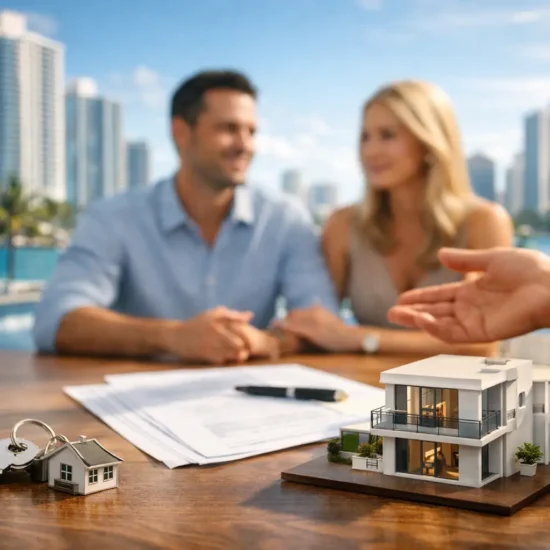
For buyers, preconstruction remains one of the most compelling ways to enter Miami’s luxury residential market. It can offer early access to new inventory, contemporary finishes, and a residence designed for the way owners live now. It also requires a clear view of the contract, the development team, the construction timeline, and the trade-offs between buying early and buying closer to completion.
South Florida Preconstruction Trends: Quality Over Scale
The market is moving toward more deliberate development rather than generic volume. Many of the most anticipated projects are emphasizing limited residence counts, more generous floor plans, private elevator access, and amenity programs that feel closer to a private club or resort than a conventional condominium.
This shift is especially visible in neighborhoods where buyers expect privacy alongside access. Brickell and Downtown Miami continue to appeal to owners who value an urban address and proximity to business, dining, and waterfront activity. Coconut Grove, Coral Gables, Key Biscayne, and Miami Beach attract buyers looking for a more established lifestyle setting, often with a lower-density feel. Edgewater, North Bay Village, Sunny Isles Beach, Aventura, and Hallandale Beach remain important choices for waterfront-oriented buyers seeking new construction options across a range of price points.
Smaller projects can create a stronger sense of exclusivity, but they may also have fewer available layouts and less flexibility once the best residences are reserved. Larger towers can provide more amenity depth and a broader selection of views, floors, and price tiers. Neither format is automatically better. The right fit depends on whether a buyer prioritizes intimacy, services, investment goals, or day-to-day convenience.
Residences Are Becoming More Livable
The strongest new developments are being planned for real life, not just occasional use. Buyers increasingly look for proper home offices, flexible dens, larger kitchens, discreet storage, and outdoor space that feels usable rather than decorative. A residence with a dramatic view still commands attention, but functionality now carries more weight in a purchasing decision.
This is influencing everything from unit mix to interior specifications. Developers are placing greater focus on spacious two-, three-, and four-bedroom residences, often with family rooms, staff quarters, or multipurpose spaces. In the luxury segment, private garages, enclosed parking, wine storage, and dedicated service entries can be as meaningful as a marble lobby.
For investors, this livability trend matters because it broadens the potential buyer and renter pool at resale or lease-up. A well-designed home can appeal to a primary resident, a relocating executive, a family seeking a second home, or an international buyer who plans to spend extended time in South Florida. Still, larger residences generally come with a higher total purchase price and potentially higher carrying costs, so the financial profile should be reviewed alongside the lifestyle appeal.
Amenity Design Is More Purposeful
Amenities are evolving beyond the standard pool, gym, and social lounge. Buyers now pay close attention to whether a building’s shared spaces will genuinely support their routine. Wellness floors, spa facilities, recovery rooms, co-working lounges, private dining rooms, children’s spaces, screening rooms, golf simulators, and waterfront cabanas are being positioned as part of the residential experience.
The key question is not how long the amenity list is. It is whether the offering suits the building’s residents and can be maintained at the expected standard. An extensive amenity package can enhance daily life and marketability, yet it may also affect condominium operating expenses. Reviewing projected fees and understanding what they cover should be part of every preconstruction evaluation.
Branded and Design-Led Residences Continue to Stand Out
Brand association remains a visible force in South Florida’s new development landscape. Hospitality, automotive, fashion, and design partnerships can create an immediate point of differentiation, particularly for buyers who value a curated experience and recognizable service standards.
A brand can add appeal, but the name alone should not drive the purchase. Buyers should look at the full picture: the developer’s track record, the architecture, management structure, location, finishes, views, and long-term operating plan. The best branded residences use the partnership to reinforce a clear residential concept rather than simply decorate the sales presentation.
Architecture is also becoming a more central part of value. Projects with a distinctive silhouette, thoughtful landscaping, and interiors that match the setting tend to create a stronger identity in a competitive market. This matters in Miami, where the view corridor, exposure, arrival experience, and relationship to the water can influence a residence’s appeal as much as the square footage.
Deposit Structures Require More Attention
Preconstruction buyers are increasingly focused on payment schedules. Deposit structures vary by project, and a buyer may be asked to make several installments before closing. The timing of those payments, the percentage due at each stage, and the circumstances surrounding contract cancellation deserve close attention.
A phased deposit schedule can allow buyers to secure a residence while spreading payments across the construction period. That can be attractive for purchasers planning around a future sale, business liquidity event, or relocation. On the other hand, buyers should be prepared for the commitment. Preconstruction is not simply a reservation for a future home; it is a contractual purchase with meaningful obligations.
Pricing strategy also differs from one development to another. Some projects begin with an early-release opportunity designed to reward buyers who commit sooner. Others introduce inventory in phases, with pricing adjusted as sales progress and construction advances. Waiting may provide more certainty about the finished building, but it can mean fewer choices in the most desirable stacks, floor plans, and view lines.
An experienced local advisor can help compare the practical details that are easy to miss in a sales gallery, including contract terms, projected completion windows, unit orientation, comparable new development inventory, and the value of a specific residence within its stack.
Waterfront, Walkability, and Neighborhood Identity Matter
South Florida buyers are not looking for one version of luxury. Some want a lock-and-leave waterfront residence with full service and direct access to boating. Others want to walk to restaurants, offices, galleries, parks, or schools. Preconstruction demand reflects these distinct lifestyle priorities.
Brickell remains a natural choice for buyers seeking a polished city lifestyle, while Wynwood and Midtown Miami appeal to those drawn to design, dining, and a more creative urban energy. Edgewater offers bayfront proximity with a direct connection to the core of Miami. Coconut Grove continues to attract buyers who value greenery, village character, and waterfront living, while Coral Gables brings architectural heritage and a refined residential setting.
The most useful way to evaluate a neighborhood is to picture an ordinary Tuesday, not just a weekend visit. Consider the route to the airport, the preferred grocery store, favorite restaurants, schools, marina access, beach time, and how often the residence will be used. A building can be exceptional, but the surrounding lifestyle must work for the owner.
Sustainability and Resilience Are Becoming Part of the Conversation
Buyers are asking more informed questions about building systems, glass specifications, backup power, water management, energy efficiency, and maintenance planning. These considerations are practical. They affect comfort, operating expectations, insurance discussions, and the long-term ownership experience.
Developers are responding with features such as high-performance glazing, efficient mechanical systems, electric vehicle charging capabilities, enhanced filtration, and more intentional landscaping. Not every feature will matter equally to every buyer, and some can affect upfront pricing or ongoing costs. The value lies in understanding how a building has been designed and whether that approach aligns with the buyer’s priorities.
A More Selective Buyer Rewards Better Projects
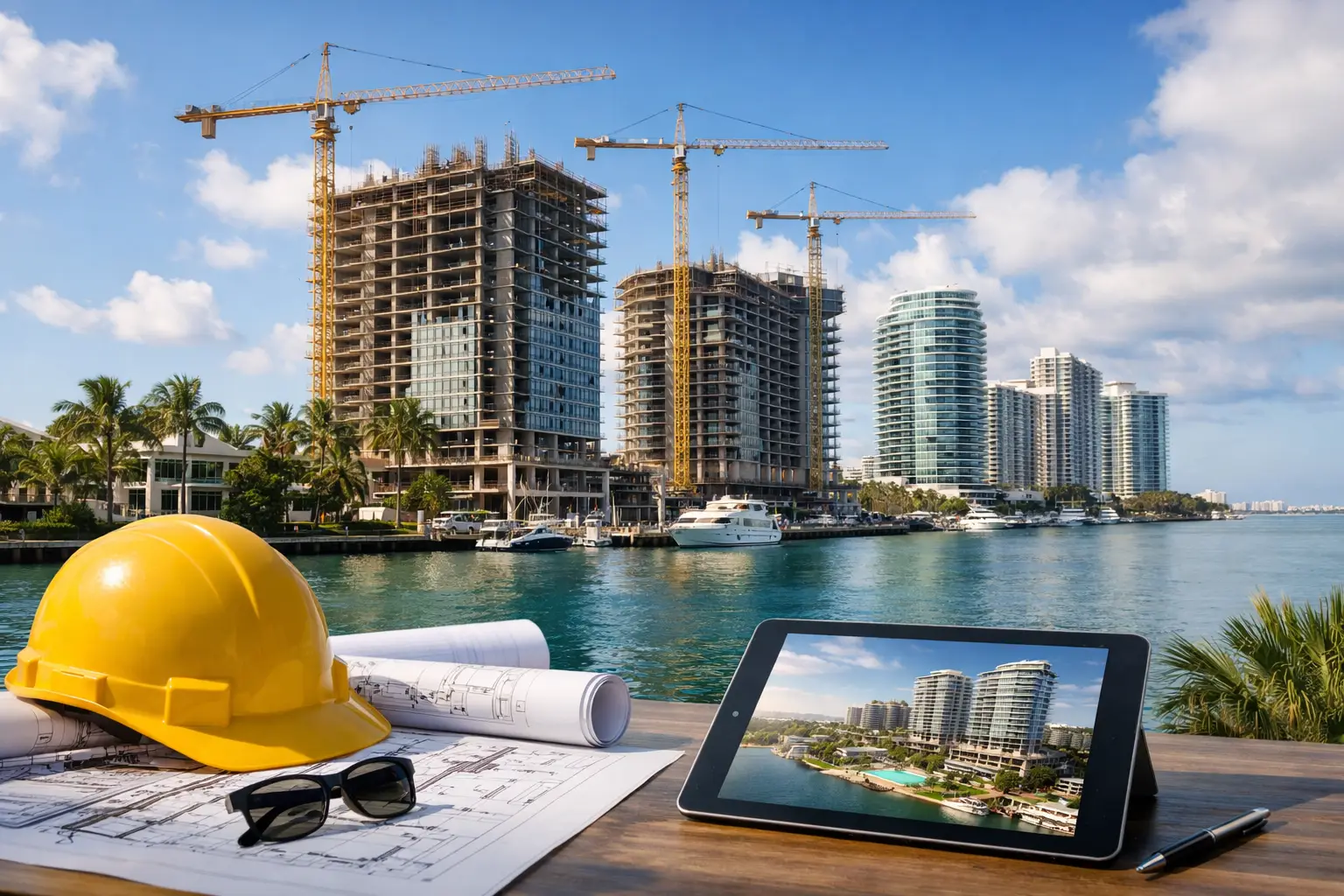
The defining trend is discernment. Buyers have access to more information, more sophisticated visual tools, and a wider range of new development choices than ever before. They are comparing not only price per square foot, but also views, service, floor plan efficiency, delivery timing, neighborhood character, and future resale positioning.
For sellers and investors, that selectivity reinforces the importance of buying the right unit, not merely buying in the right building. A corner residence, a preferred floor, a protected view, an exceptional terrace, or a rare layout can create meaningful differentiation later. For end users, it can make the difference between owning a beautiful address and owning a home that truly supports the Miami lifestyle they came for.
Preconstruction rewards preparation. Before reserving a residence, define how you plan to use it, establish a comfortable ownership budget beyond the purchase price, and compare each opportunity on its real merits. The most rewarding South Florida purchase is usually the one that feels as considered on move-in day as it did in the sales gallery.