Miami Home Buying Guide for Smart Buyers
A Miami home buying guide should do more than explain contracts and closing dates. It should help you decide where your money, lifestyle, and long-term plans actually fit in a market where a bayfront condo, a gated single-family home, and a pre-construction residence can all mean very different things.
Miami rewards buyers who are clear about priorities early. If you want walkability, skyline views, and easy access to dining and business hubs, your search will look very different from someone focused on privacy, larger lots, or waterfront living. That sounds obvious, but many buyers start with square footage and price alone, then lose time touring properties that do not match how they plan to live.
How to use this Miami home buying guide
Start with your version of value. In Miami, value is rarely just price per square foot. It can mean a shorter commute, a full-service building, a home office with natural light, strong rental flexibility, or access to marinas, parks, and top-tier retail. Buyers who define value too narrowly often miss better-fit opportunities.
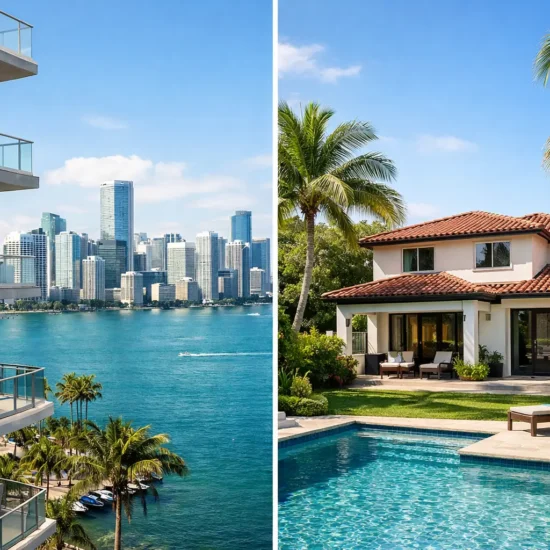
This is also a market where product type matters as much as neighborhood. A condo in Brickell comes with a different ownership experience than a house in Coconut Grove or Coral Gables. Monthly carrying costs, amenities, maintenance responsibilities, and approval rules can shift your budget more than the asking price suggests.
Choose the right Miami lifestyle first
Many markets let buyers begin with a property type and sort out the area later. Miami usually works the other way around. Lifestyle tends to lead the decision.
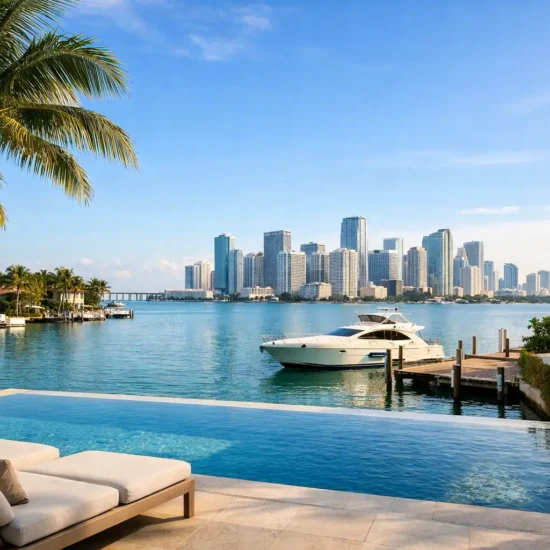
If you are drawn to an urban, high-energy setting, Brickell and Downtown Miami appeal to buyers who want modern towers, convenience, and strong access to restaurants, offices, and entertainment. For those who prefer a more residential feel with architectural character and mature greenery, Coconut Grove and Coral Gables often stand out. Buyers focused on waterfront prestige, resort-style living, and beach access may lean toward Miami Beach, Sunny Isles Beach, or Key Biscayne.
The trade-off is straightforward. Areas with strong brand recognition, water views, or premium amenities often come with higher purchase prices and monthly costs. More space or quieter surroundings can sometimes mean less walkability or a longer drive to the city core. Neither option is better on its own. The right choice depends on how often you will use what you are paying for.
Condo, house, or pre-construction?
Condos remain a major part of Miami homeownership, especially for buyers who want security, amenities, and a lock-and-leave setup. The appeal is obvious, but condo buying requires a close look at association fees, reserve funding, rental rules, pet policies, and any upcoming assessments. A lower purchase price can be offset by higher monthly expenses.
Single-family homes offer more privacy, more control, and often more room to grow into the property. They can also bring higher maintenance responsibility, landscaping costs, and insurance considerations. For some buyers, that extra control is the whole point. For others, it becomes more work than expected.
Pre-construction can be attractive if you want a newer product, modern layouts, and time before full occupancy. It also calls for patience and a different decision-making mindset. You are often buying based on plans, finishes, and a developer vision rather than the exact lived experience of a completed home. That can be a strong fit for buyers with flexibility, but not always for those who need certainty right away.
Set a real budget, not just a purchase price
One of the most common mistakes in Miami is treating the home price as the whole budget. Your true ownership cost includes property taxes, insurance, association dues if applicable, parking fees, maintenance, and closing costs. Depending on the building or neighborhood, these numbers can materially change what feels comfortable.
If you are financing, get fully prepared before you start touring seriously. A strong pre-approval helps you move faster and negotiate with more credibility. In a competitive segment of the market, sellers respond better to buyers who look ready, not just interested.
Cash buyers have an advantage in speed, but financed buyers can still compete well when the paperwork is organized and timelines are realistic. What matters is reducing uncertainty for the seller. That includes being clear on your down payment, contingency comfort level, and preferred closing schedule.
Budget for the ownership style you want
A luxury high-rise with concierge service, valet, a fitness center, and resort-style amenities may fit your vision of Miami living, but those services are part of the monthly economics. The same is true for larger homes with pools, docks, or extensive outdoor spaces. The purchase may be achievable, yet the ongoing costs can reshape the experience.
A smart buyer looks at both the first year and the fifth year. If your ownership plan includes part-time use, future rental flexibility, or a later move into a larger property, those details should shape the purchase now.
Understand what drives pricing in Miami
Miami pricing is highly sensitive to location, water proximity, building quality, views, condition, and brand-new versus resale inventory. Two homes with a similar bedroom count can sit far apart in value because one offers a better line in the building, newer finishes, stronger amenities, or a more desirable street.
That is why broad online comparisons can be misleading. Price per square foot is useful, but incomplete. A bay view, a large terrace, deeded parking, private elevator access, or updated interiors can justify a premium. On the other hand, an attractive list price may hide dated systems, limited reserves, or rules that conflict with your plans.
Buyers should also pay attention to time on market, recent comparable sales, and whether a property has been repositioned with a meaningful price adjustment. The best opportunity is not always the cheapest listing. Sometimes it is the well-located property with one fixable drawback that other buyers overlooked.
Tour with decision criteria, not just taste
Miami is visual by nature. It is easy to fall for a view, a lobby, or a dramatic pool deck. Those details matter, but they should not replace practical filters.
When touring, focus on what affects daily life and resale strength. In condos, pay attention to layout efficiency, natural light, balcony usability, parking, storage, and building maintenance. In houses, think about lot shape, outdoor usability, roof age, flood considerations where relevant, and how the floor plan actually supports your routine.
Taste can be changed. Poor functionality is harder to fix. A beautifully staged residence with awkward room flow may lose its appeal quickly once you imagine living there. The reverse is also true – a well-located property with strong bones can outperform a more polished option over time.
Make an offer with strategy
A successful offer in Miami balances price with terms. Sellers are not only comparing numbers. They are weighing certainty, timing, contingencies, and the professionalism behind the deal.
If the property is newly listed and well priced, aggressive negotiation may cost you the opportunity. If it has been on the market longer or shows signs of seller motivation, there may be more room to negotiate on price, closing costs, repairs, or timing. This is where local market read matters. Every listing has a context.
Due diligence is where disciplined buyers protect themselves. For condos, review association documents, financials, rules, and building conditions carefully. For houses, inspections matter not just for major systems but for understanding future maintenance. The goal is not to find a perfect property. It is to know what you are buying and whether the terms still make sense.
The Miami home buying guide buyers actually need
The best Miami home buying guide is not a checklist alone. It is a reminder that this market rewards clarity. Know the lifestyle you want, the ownership costs you can carry comfortably, and the compromises you are willing to make.
That is especially true if you are relocating or buying from a distance. Digital tools, virtual tours, and market reports can narrow the field efficiently, but local guidance remains the difference between browsing and buying well. Miami Best Property serves buyers who want that process to feel more focused, informed, and aligned with the life they are building here.
The right home in Miami is not simply the one that looks impressive on first visit. It is the one that still makes sense after the numbers, the details, and the lifestyle all line up.