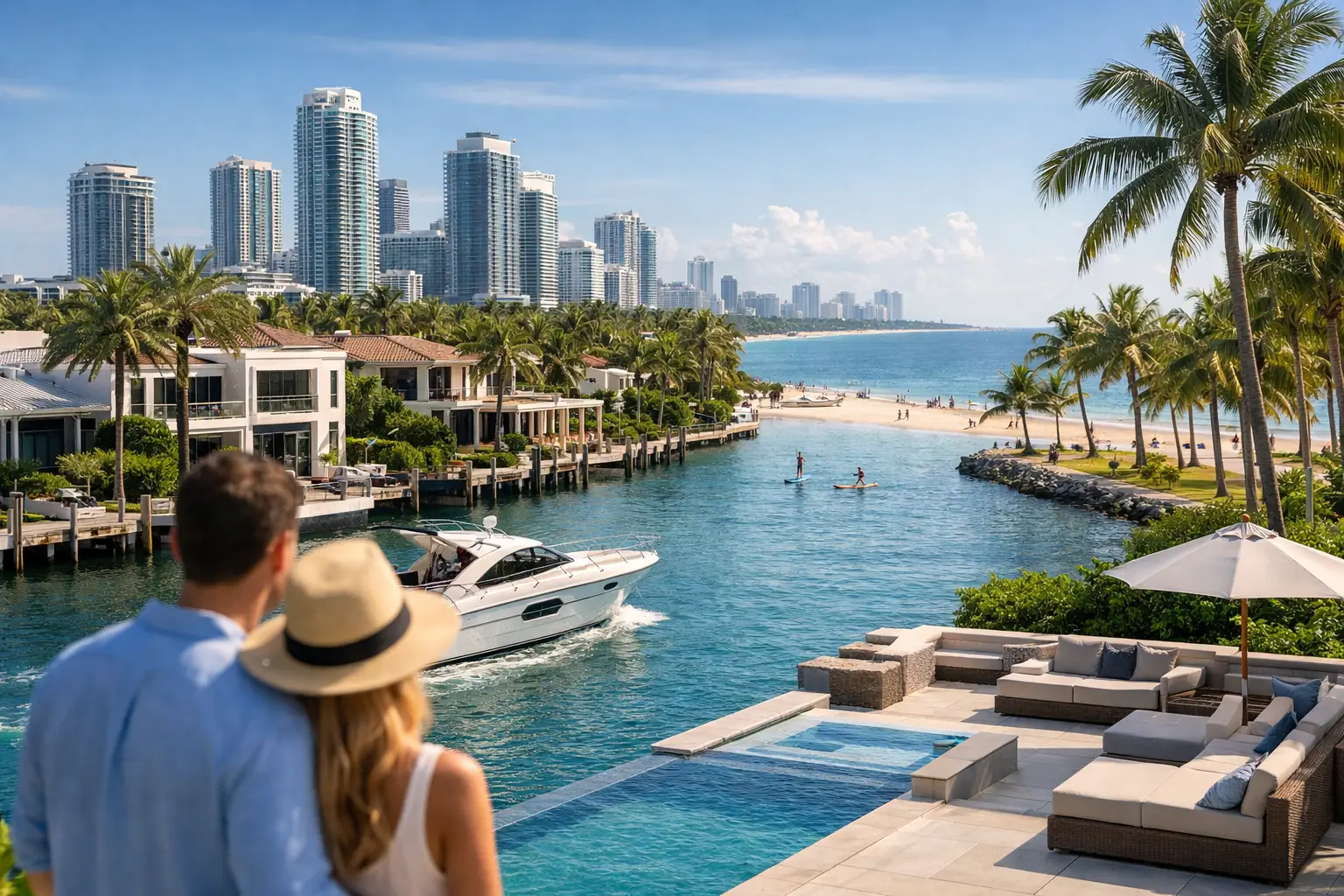
Miami Neighborhood Guide for Buyers Who Value Lifestyle
A waterfront view can be part of the Miami lifestyle, but it should not be the only reason to choose a home. This Miami neighborhood guide for buyers starts with the questions that shape a satisfying purchase: How do you want your days to feel? What type of property fits your plans? And which location supports both your lifestyle and long-term real estate goals?
Miami is not one market with one buyer profile. A professional seeking walkability, a family looking for privacy, and an investor evaluating a luxury condo may all be drawn to the city for different reasons. The right neighborhood is the one that connects your preferred pace of life with the right property, building, and ownership strategy.
Miami Neighborhood Guide for Buyers: Start With Your Priorities
Before comparing listings, identify the trade-offs you are willing to make. A newer tower with concierge service and bay views may offer a lock-and-leave lifestyle, while a single-family home may provide more space, outdoor living, and control over your property. Neither is automatically the better choice.
Consider how you will use the home. If your weekday routine revolves around offices, restaurants, fitness studios, and easy access to the airport, an urban neighborhood may be a natural fit. If you picture weekend mornings under mature trees, family dinners outdoors, and a more residential setting, a neighborhood farther from the urban core may better match your priorities.
Buyers should also look beyond the residence itself. In a condo, the quality of management, reserves, rental policies, amenities, and monthly association costs can influence both day-to-day enjoyment and future resale appeal. With a house, maintenance, insurance considerations, lot size, and renovation potential deserve equal attention. A local buyer’s representative can help put those details in context before a property becomes an emotional decision.
Brickell: High-Rise Living at the Center of the City
Brickell appeals to buyers who want Miami’s financial and cultural energy close at hand. It is defined by luxury condominium towers, waterfront residences, polished dining, retail, and an exceptionally walkable routine by Miami standards. For relocating professionals, pied-a-terre buyers, and investors focused on a central location, Brickell offers a compelling mix of convenience and prestige.
The trade-off is that building selection matters greatly. Brickell includes established towers, newer luxury developments, and pre-construction opportunities, each with a different amenity package, price point, and ownership profile. Buyers should compare view corridors, floor plans, valet and parking arrangements, pet policies, and association fees rather than assuming every tower delivers the same experience.
For those who want to step outside and be near work, entertainment, and the waterfront, Brickell can feel effortless. Buyers who prioritize a quieter, lower-density residential atmosphere may prefer Coconut Grove, Coral Gables, or Key Biscayne.
Downtown, Edgewater, and Midtown: Three Distinct Urban Choices
Downtown Miami is evolving into a more complete residential environment, with access to major cultural venues, transit connections, waterfront parks, and a growing collection of contemporary condo buildings. It can make sense for buyers who value proximity to the city’s core and see opportunity in a neighborhood with continued residential momentum.
Edgewater offers a different version of high-rise living. Many buyers are drawn to its bayfront setting, expansive water views, and convenient position between Downtown and the Design District area. It often suits buyers who want a refined condominium lifestyle without being in the center of Brickell’s daily intensity.
Midtown Miami and nearby Wynwood are lifestyle-driven choices for buyers who value design, dining, galleries, and a more creative neighborhood character. Housing inventory varies from modern condos to boutique residences, and walkability is a major part of the appeal. These areas are particularly worth considering if your ideal Miami day includes coffee shops, restaurants, and local culture within a few blocks of home.
Coconut Grove and Coral Gables: Space, Character, and Privacy
Coconut Grove remains one of Miami’s most distinctive residential addresses. Its canopy of mature trees, proximity to Biscayne Bay, marinas, parks, and village-style dining create a relaxed but sophisticated setting. Buyers can find luxury condos, townhomes, and exceptional single-family homes, often with a stronger sense of privacy than in the urban core.
The Grove is especially attractive for buyers who want outdoor living to be part of their everyday routine. Inventory can be limited, and homes vary widely in age, architecture, lot size, and renovation level. A newer residence may provide modern systems and a turnkey experience, while an older home may offer more character and room to customize.
Coral Gables offers a graceful, established environment with architecturally significant homes, landscaped streets, and a polished residential identity. It attracts buyers seeking space, a strong sense of place, and access to dining, cultural destinations, and respected schools. It is less about the high-rise, walk-to-everything condo experience and more about owning a home in a lasting neighborhood setting.
Miami Beach and Key Biscayne: Waterfront Living With Different Rhythms
Miami Beach is not a single lifestyle. Buyers can choose between the energy of South Beach, the residential feel of Mid-Beach, and more private luxury enclaves farther north. Oceanfront condos, bayfront homes, historic architecture, and resort-style amenities create an appealing range of options for full-time residents and second-home buyers alike.
The key is to decide whether you want to be close to the action or closer to a quieter stretch of sand. Ocean views may command a premium, while bayfront homes can offer boating access and a more private setting. Review building operations, guest policies, and parking carefully, especially if the property may serve as a seasonal residence.
Key Biscayne offers a more contained island lifestyle, known for beaches, biking, recreation, and a residential atmosphere. It is a strong match for buyers who want coastal living with an emphasis on community and outdoor time. The island setting is part of its appeal, but buyers should be comfortable with its distinct access pattern and more limited inventory.
Sunny Isles Beach, Aventura, and North Bay Village
Sunny Isles Beach is a natural consideration for buyers drawn to branded residences, direct beach access, and full-service luxury towers. Many properties are designed for buyers who value amenities, security, and a highly polished arrival experience. It is particularly appealing for international buyers and second-home owners who want a managed, resort-inspired residence.
Aventura blends high-rise living with a practical residential routine. Buyers have access to shopping, dining, golf, and a wide selection of condominiums, from established buildings to newer luxury offerings. It can be an effective choice for those seeking convenience without the intensity of Miami’s urban core.
North Bay Village is worth a closer look for buyers interested in bayfront views and a location between Miami and the beach. Its ongoing residential evolution makes each building and street especially important to evaluate. The opportunity may be in finding the right property with a view, a well-run association, and a location that fits your daily movement across the city.
Match the Property to Your Ownership Plan
A neighborhood can be right for your lifestyle but wrong for your ownership strategy if you do not evaluate the details. For a primary residence, prioritize daily convenience, building quality, and the features you will use consistently. For a second home, security, service, maintenance demands, and ease of arrival may carry more weight. For an investment property, rental restrictions, carrying costs, demand drivers, and the building’s competitive position should guide the decision.
Pre-construction can be attractive when you want contemporary design, new amenities, and time to plan a future move. It also requires careful review of the developer, contract terms, deposit schedule, projected completion timeline, and the surrounding pipeline of new supply. A polished presentation is only the starting point of a sound purchase decision.
The most valuable tours are comparative. See a few buildings or homes in different neighborhoods, at different price points, and with different ownership models. The contrast will quickly clarify whether you value a panoramic bay view more than a private garden, or a walkable address more than additional square footage.
Miami rewards buyers who look past the postcard and choose with intention. When a neighborhood, property type, and ownership plan align, your home becomes more than an address – it becomes the setting for the Miami life you came here to enjoy.