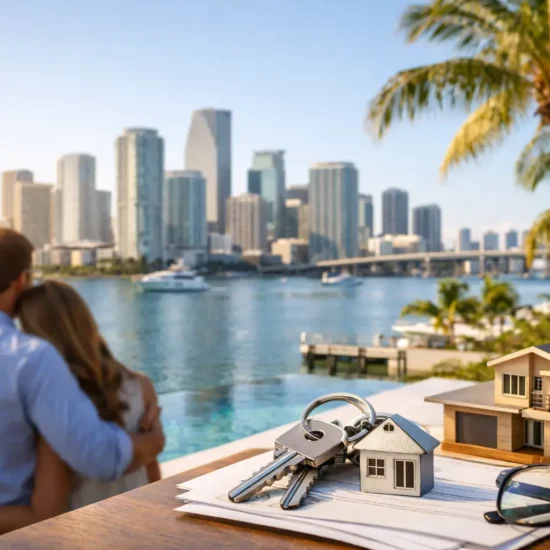
Preconstruction Buyer Success Story Miami
A two-bedroom corner residence priced well before completion can look ordinary on a spreadsheet. In Miami, it can become a very strong preconstruction buyer success story when the buyer chooses the right project, the right terms, and the right timeline.
That is what happened with one recent buyer profile we see often in the market – a professional relocating from the Northeast who wanted part lifestyle upgrade, part long-term asset. The goal was not to chase hype. It was to secure a well-located new development residence with modern amenities, favorable early pricing, and enough flexibility to either move in at closing or hold the property as an investment.
What made this preconstruction buyer success story Miami-worthy
The buyer started with a common question: is pre-construction still worth it when prices already seem high? The answer, as always in real estate, was it depends. In Miami, pre-construction can work exceptionally well when the building, neighborhood, payment structure, and exit strategy all line up. It can also disappoint when someone buys based only on renderings or broad market buzz.
In this case, the buyer focused on a new development in Edgewater. That location mattered for a few reasons. It offered direct access to Downtown Miami, Brickell, and the Design District, while still delivering the bayfront lifestyle and newer inventory many buyers want. Just as important, the project had a developer with a credible track record, a floor plan mix that supported future resale demand, and deposit terms that fit the buyer’s liquidity goals.
The unit selected was not the largest available, and that was part of the discipline. Rather than stretching for a premium penthouse or an oversized layout with a thinner buyer pool later, the buyer chose a highly marketable two-bedroom line with strong natural light, a functional split-bedroom plan, and broad appeal for both end-users and future tenants. In Miami real estate, good product often beats simply buying the biggest space possible.
Why the early decisions mattered more than the finish package
A lot of buyers spend too much time debating countertops and appliance packages before they have answered the bigger questions. This buyer did the opposite. First came the fundamentals: developer reputation, association structure, rental policy, projected carrying costs, estimated completion timing, and comparative pricing against nearby existing condos.
That analysis changed the conversation. Instead of asking whether the kitchen finish felt more luxurious than another project three blocks away, the buyer asked whether the property would still look compelling at closing if the market offered more choices. That is the right question.
Pre-construction rewards patience, but it also rewards selectivity. The buyer was comfortable with the deposit schedule because the project timeline aligned with a planned relocation window. If the move had been urgent, a resale condo may have been the better fit. This is one of the trade-offs that matters most. Pre-construction can deliver pricing advantages, new amenities, and modern design, but it asks for time, uncertainty around delivery dates, and the discipline to plan well ahead.
The pricing advantage was real, but not in the way people assume
Many people imagine a buyer success story is only about buying low and watching the value jump. That can happen, but the more durable advantage often comes from positioning rather than speculation.
In this case, the buyer entered during an earlier sales phase, when pricing was below later release levels for similar lines in the building. By the time the project neared completion, newer inventory in comparable locations had become more expensive, and resale options with similar finishes were limited. That created a stronger relative value proposition at closing.
There was another benefit that mattered just as much. Because the buyer locked in early, there was time to prepare financially without rushing into a fully funded purchase within 30 to 45 days, which is typical in resale. For many professionals and investors, that planning runway is one of pre-construction’s biggest advantages. It allows capital allocation, tax planning, and relocation planning to happen more deliberately.
Of course, early pricing is not automatically a bargain. Some projects launch aggressively. Some neighborhoods have more future supply than buyers realize. Some buildings look impressive in marketing materials but face tougher competition by delivery. A real preconstruction buyer success story Miami clients can learn from usually includes restraint, not just enthusiasm.
How neighborhood choice shaped the outcome
Miami is not one market. Brickell attracts buyers who want walkability and a high-rise financial district lifestyle. Coconut Grove offers a different pace and a more established residential feel. Sunny Isles Beach appeals to buyers prioritizing waterfront luxury and resort-style living. Edgewater, where this buyer focused, sat in a productive middle ground.
That middle ground helped the numbers and the lifestyle case. The buyer wanted a residence that felt elevated enough for personal use, but not so hyper-specific that future resale would depend on a very narrow audience. A centrally located condo with bay views, updated amenities, and a practical layout gave the buyer more options later.
This is a point many pre-construction buyers miss. The best choice is not always the most glamorous tower or the newest headline project. Often, it is the residence that fits the broadest set of future needs – primary residence, seasonal use, or investment hold – without compromising the premium feel that defines Miami living.
A buyer’s agent added value before the reservation was signed
The most useful work happened before the contract stage. The buyer reviewed competing projects, compared line values within the same building, and looked closely at stack placement, exposure, and floor premiums. Those details sound small until they affect view corridors, afternoon heat, privacy, and future desirability.
For example, two units with nearly identical square footage can perform very differently over time if one has a cleaner view, better balcony orientation, and less exposure to noise. In a market where presentation and lifestyle matter, those distinctions are not cosmetic. They shape resale appeal.
The buyer also benefited from a clear read on what was standard versus what was truly an upgrade worth paying for. Some developer upgrade programs make sense. Others increase basis without improving future marketability enough to justify the cost. Premium does not always mean profitable.
That practical filter is where experienced local guidance matters. Miami Best Property works in a market where inventory presentation can be dazzling, but buying well still comes down to fundamentals. The right support helps buyers stay focused on value, not just visuals.
What happened by closing
By closing, the buyer had a new residence in a well-positioned Miami location, with a purchase price established earlier in the cycle and a finished product that compared favorably against available alternatives. The property delivered what the buyer wanted from the start – a modern home base, strong amenity package, and an asset with credible long-term appeal.
The success was not based on luck. It came from matching timeline to project, avoiding emotional overbuying, and choosing a unit type with durable demand. If the buyer had selected an ultra-custom layout at the top of budget, the outcome may still have been positive, but flexibility would have been reduced.
That is the lesson worth emphasizing. A strong result in pre-construction is rarely about finding a secret deal. It is more often about choosing well within a visible market.
Lessons buyers can take from this Miami success story
If you are considering pre-construction, the first step is not asking which project is hottest. It is defining your use case. Are you buying to live there full-time, use it seasonally, or hold it for future appreciation and possible rental income? Your answer changes everything from neighborhood selection to unit type.
Next, evaluate timing honestly. Pre-construction is ideal for buyers who can wait and who want access to new product before delivery. If you need certainty on move-in dates, or if your financing picture may shift materially during the construction period, resale may offer more control.
Then look beyond the brochure. Study the developer, documents, fees, rental restrictions, and the surrounding pipeline of competing inventory. A building can be beautiful and still be the wrong fit for your goals.
Finally, think in terms of future marketability. Miami rewards standout properties, but it also rewards residences with broad appeal. Smart floor plans, desirable views, sensible carrying costs, and strong location fundamentals usually age better than trend-driven features.
The most compelling opportunities in Miami are not always the loudest ones. They are the ones where price, product, and purpose meet at the right moment. For buyers who want both lifestyle value and long-term upside, that is where pre-construction becomes more than a purchase – it becomes a well-timed move.