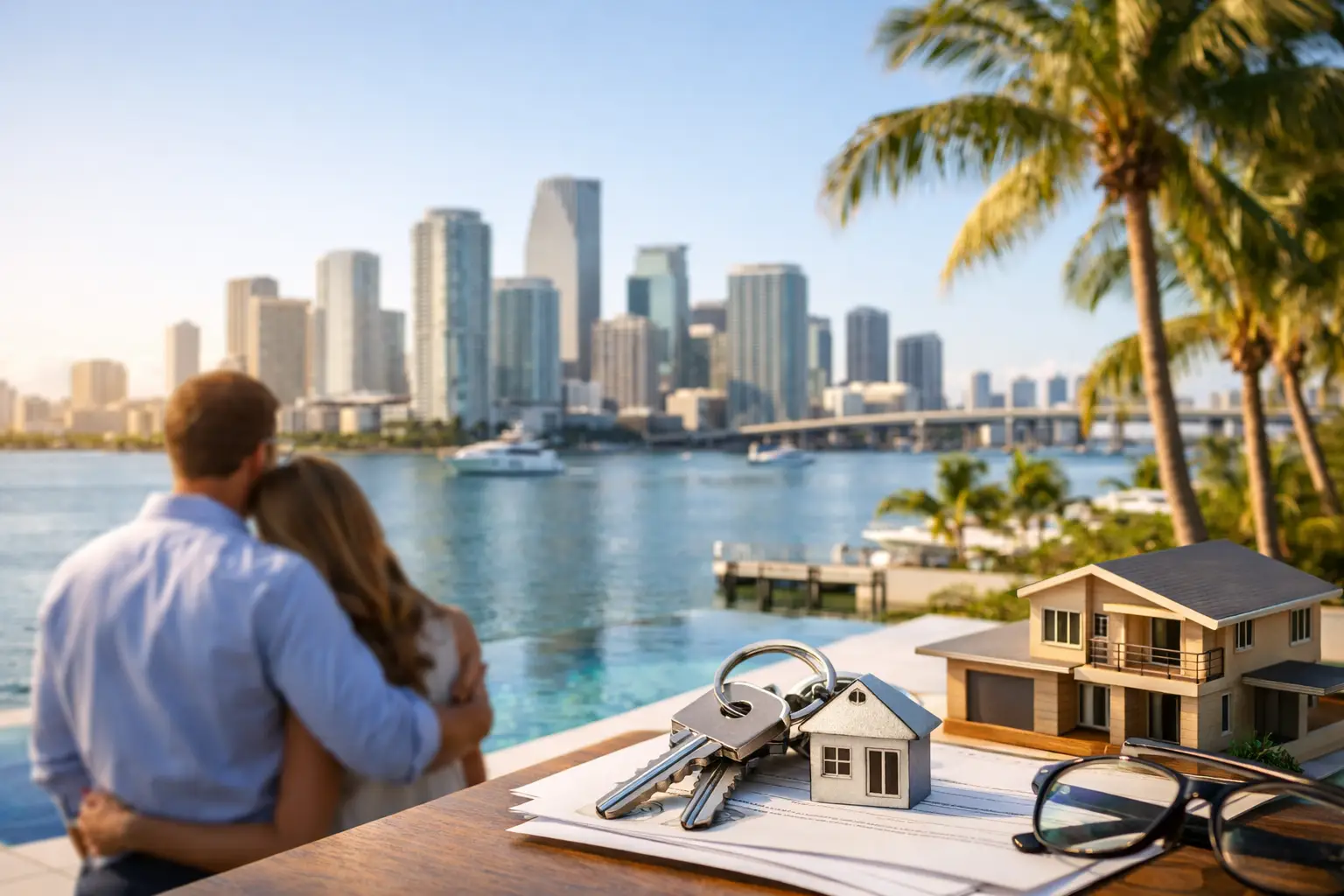
Miami Real Estate Trends Buyers Should Watch
A penthouse in Brickell, a waterfront home in Coral Gables, a rental in Edgewater, a pre-construction condo in Sunny Isles Beach – each can sit in the same regional market and still follow very different rules. That is what makes Miami real estate trends worth watching closely right now. Broad headlines rarely tell the full story here. In Miami, pricing, demand, and opportunity shift by neighborhood, property type, building age, and buyer profile.
For buyers, sellers, and investors, that means local context matters more than ever. A balanced reading of the market is not about asking whether Miami is simply hot or slow. It is about understanding where leverage is building, where premium inventory still moves quickly, and where timing matters most.
The Miami real estate trends shaping today’s market
One of the clearest Miami real estate trends is a more selective market. Demand remains active, but buyers are weighing value more carefully than they did during the fastest-paced periods of the past few years. Well-positioned homes and condos still attract serious attention, especially when they offer modern finishes, strong views, desirable amenities, or a location that supports the Miami lifestyle buyers want. Overpriced listings, however, tend to sit longer.
That shift is healthy. It creates more room for thoughtful decision-making without removing competition from the best opportunities. Sellers can still achieve strong results, but pricing strategy matters. Buyers may have more choices in certain segments, yet standout properties do not wait indefinitely.
Another major trend is the continued split between newer product and older inventory. In many parts of Miami, newer condos and pre-construction residences command a premium because they align with what today’s buyers expect – contemporary design, flexible amenities, energy-efficient systems, and a higher level of service. Older buildings can still offer excellent value, particularly in prime locations, but buyers are looking more carefully at reserves, maintenance costs, renovation needs, and the overall ownership experience.
Condos remain central, but not all condo inventory performs the same
Condos continue to define a large portion of Miami’s residential identity, but this is not a one-size-fits-all category. A luxury tower in Downtown Miami or Brickell serves a very different buyer than a boutique waterfront building in North Bay Village or a lifestyle-driven address in Miami Beach. The differences show up in pricing power, days on market, and negotiation room.
Buildings with strong amenity packages, updated common areas, and a polished brand presence often maintain stronger buyer interest. That is especially true when a property also offers walkability, water views, or easy access to dining, business districts, and marinas. In contrast, older condo stock can require more analysis. Sometimes it presents a compelling entry point into a premium location. Other times, monthly carrying costs narrow the value gap more than buyers expect.
For investors, this is where details matter. Two condos with similar asking prices can have very different long-term appeal based on rental rules, building reputation, renovation quality, and future resale demand. Miami rewards informed selection.
Single-family homes still carry scarcity value
While condos often dominate the conversation, single-family homes remain highly desirable across many Miami neighborhoods. That demand is tied to privacy, lot size, outdoor living, and a sense of permanence that many buyers want, especially those relocating full-time or upgrading from condo living.
In neighborhoods such as Coconut Grove, Coral Gables, and Key Biscayne, quality homes with strong design and move-in-ready condition tend to keep their appeal. Inventory is naturally more limited in these areas than in the condo market, which supports pricing even when buyers become more selective. Homes that need substantial updating can still sell well, but only when the asking price reflects the work involved.
This is one of the more practical trends in the current market: buyers will pay for convenience. Turnkey properties often outperform homes that require lengthy renovations, particularly among out-of-state and international buyers who want a smooth transition into South Florida living.
Pre-construction continues to attract lifestyle buyers and long-range investors
Pre-construction remains one of the most closely watched segments of the market because it offers something many resale properties cannot – a fresh product built around current tastes and future expectations. For buyers who value new finishes, advanced amenities, and staged deposit structures, pre-construction can be an attractive path.
It also appeals to clients who are planning ahead rather than making an immediate move. Some are securing a future primary residence. Others are using new development as a portfolio play in a global destination market with enduring appeal.
That said, pre-construction is not automatically the right fit for everyone. Timelines can shift, pricing can evolve over the life of a project, and buyers need to understand the developer, the contract structure, and the total cost picture. The upside can be meaningful, but so is the value of experienced guidance. In a market like Miami, pre-construction works best when it is approached strategically, not emotionally.
Rentals reflect lifestyle demand as much as pure affordability
Miami’s rental market also reveals important consumer behavior. Many renters are not choosing to rent because they cannot buy. They are renting because they want flexibility, neighborhood access, or time to learn the market before making a larger purchase. That is particularly common among relocating professionals and international clients.
Buildings that offer strong amenities, modern interiors, and easy access to business and entertainment centers continue to attract attention. Renters are often comparing not just price, but the total living experience. A well-managed building in Midtown Miami or Aventura may outperform a lower-priced option that feels less convenient or less polished.
For owners, this creates opportunity, but again, selectivity matters. Units that show well, are priced correctly, and align with the expectations of today’s renters tend to lease faster. Presentation counts in Miami, especially in lifestyle-driven submarkets.
Buyer behavior is more disciplined than impulsive
One of the most notable Miami real estate trends is the mindset shift among buyers. They are still motivated, but they are asking sharper questions. They want to know how a building is run, how a home compares to nearby inventory, what amenities actually add value, and whether a property supports both lifestyle and long-term positioning.
This is especially true at higher price points. Luxury buyers are not simply purchasing square footage. They are buying location, privacy, service, views, design, and status. If a property checks those boxes, it can still command strong interest. If it falls short in one or two critical areas, buyers notice quickly.
That more disciplined approach benefits serious market participants. It creates better conversations, more realistic pricing, and less noise. It also means preparation matters. Sellers need to present their property at a premium level. Buyers need to move decisively once the right fit appears.
Neighborhood differences are becoming more pronounced
Miami has always been a market of micro-locations, but that dynamic is even more important now. Brickell attracts buyers who want an urban, high-rise lifestyle with direct access to offices, restaurants, and nightlife. Coconut Grove appeals to those looking for greenery, privacy, and a more residential luxury feel. Sunny Isles Beach and Miami Beach continue to draw waterfront buyers who place a premium on views and resort-style living.
These distinctions matter because demand is not evenly distributed. A slower pace in one segment does not mean another neighborhood is losing momentum. In fact, some of the best opportunities emerge when buyers focus less on market-wide headlines and more on where their priorities align with local inventory.
For sellers, this means comparable pricing must be truly comparable. A condo’s value is influenced not just by unit size or building age, but by how that location lives day to day. In Miami, lifestyle is part of the asset.
What this means if you are planning a move
If you are buying, patience is useful, but hesitation can still cost you the right property. The current market gives more room for analysis than an overheated one, yet premium homes and condos remain competitive. The goal is not to wait endlessly for the perfect moment. It is to recognize value when it appears.
If you are selling, the market still rewards quality, presentation, and realistic pricing. Professional photography, strong positioning, and an accurate reading of competing inventory make a measurable difference. Buyers in this market respond to confidence, but they also respond to credibility.
If you are investing, focus on fundamentals that hold up across market cycles: location, building quality, rental appeal, operating costs, and resale liquidity. Miami Best Property works in a market where lifestyle and investment value often intersect, and that combination is exactly why careful property selection matters so much here.
Miami continues to attract people who want more than a place to live. They want access, design, energy, and a property that fits the way they see themselves living next. The smartest move is not chasing the loudest headline. It is reading the market with enough precision to know where the real opportunity is taking shape.