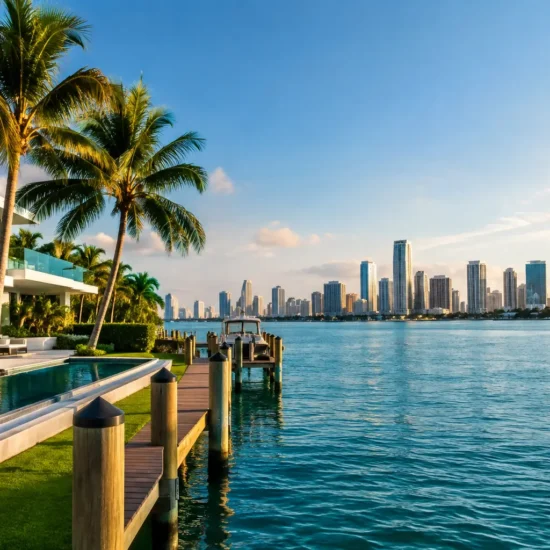
Miami Property Outlook for Buyers and Sellers
Miami remains a market where a waterfront view, a walkable address, and the right building can influence value as much as square footage. The Miami property outlook for 2026 points to a more selective, opportunity-rich environment: buyers have more time to compare options in many segments, while well-positioned sellers still attract serious interest when their homes are priced and presented with precision.
For homeowners, investors, and relocating buyers, the central question is not whether Miami is desirable. Its lifestyle appeal, international visibility, and depth of luxury housing remain clear. The real question is where value is concentrating, what type of property best fits the moment, and how to make a move with confidence.
Miami Property Outlook: A More Selective Market
The market is no longer defined by one pace across every neighborhood, price point, or property type. A turnkey condo in a respected full-service building may perform very differently from an older unit with upcoming association expenses. A renovated single-family residence in Coconut Grove or Coral Gables appeals to a different buyer than a high-rise residence in Brickell or a second home in Miami Beach.
That distinction matters. Buyers are looking beyond listing photos and broad price-per-square-foot comparisons. They are weighing monthly carrying costs, amenities, views, walkability, parking, rental policies, renovation quality, and the financial condition of the building or community. Sellers who recognize this shift can position their property around its strongest advantages rather than relying on Miami’s name alone.
For investors, the most compelling opportunities are often found through careful property-level analysis. Demand for quality residences remains meaningful, but returns depend on purchase price, financing terms, ownership costs, leasing rules, and the exact audience a home will attract. A condo with strong management and a desirable location may offer a very different ownership experience than a seemingly comparable unit a few blocks away.
What Is Shaping Demand in 2026
Miami’s appeal is built on more than seasonal demand. Professionals, entrepreneurs, families, and international buyers continue to see South Florida as a place to establish a primary residence, own a second home, or build a long-term real estate portfolio. The lifestyle proposition is broad: waterfront recreation, renowned dining, private schools, cultural institutions, business access, and a deep selection of luxury residential communities.
The buyers best positioned to act are prepared. Cash remains influential at the upper end of the market, but financed buyers can compete effectively with clear underwriting, flexible timing, and an agent who understands how to structure a credible offer. In a market with more choices, preparedness often wins over speed alone.
Lifestyle-led demand also keeps neighborhood identity important. Brickell and Downtown Miami suit buyers who want energy, convenience, and a vertical urban experience. Coconut Grove offers mature greenery, village character, and a more residential rhythm. Coral Gables appeals to buyers who value architecture, established streetscapes, and proximity to major business and education centers. Sunny Isles Beach, Key Biscayne, and Miami Beach each serve distinct waterfront lifestyles.
A buyer should not choose a neighborhood only because it has performed well historically. The better question is whether the area supports the way they expect to live, rent, or hold the property over time.
Condos Require Closer Due Diligence
Condominiums remain central to the Miami residential market, especially for buyers seeking amenity-rich living, lock-and-leave convenience, or direct waterfront access. But the condo decision has become more detailed. Association budgets, reserve funding, insurance, maintenance planning, rental restrictions, and potential assessments deserve the same attention as layout and views.
This is not a reason to avoid condo ownership. It is a reason to compare buildings intelligently. Newer luxury towers can offer contemporary finishes, sophisticated amenities, and strong visual appeal, while established buildings may provide larger floor plans, desirable locations, or a more attractive entry point. Neither is automatically the better choice.
Before making an offer, buyers should review the association documents, recent meeting minutes, financial statements, current fees, rental rules, and any known or planned capital work. This process is especially important for investment purchases, where leasing flexibility and ownership expenses directly affect the numbers.
Sellers of condominium residences benefit from anticipating these questions. Having building information organized and being transparent about what makes the residence and community compelling can create a smoother path from showing to contract.
The premium for turnkey quality
Move-in-ready homes continue to command attention because buyers want certainty. Updated kitchens and baths matter, but so do details that are easy to overlook: functional storage, quality window treatments, well-maintained systems, polished common areas, and a floor plan that works for everyday life.
That does not mean every seller needs a full renovation before listing. Improvements should be strategic. Fresh paint, professional staging, corrected deferred maintenance, and high-quality photography can change how a property is perceived. For a residence that needs more extensive work, pricing and marketing should speak clearly to its upside and location rather than trying to compete directly with renovated alternatives.
New Development Still Deserves a Place in the Conversation
Pre-construction remains a defining part of the Miami property landscape. For certain buyers, it offers the appeal of new design, modern amenities, current building standards, and a future delivery timeline that aligns with a broader relocation or investment plan. It can also provide access to neighborhoods and product types that are limited in resale inventory.
However, pre-construction is not a one-size-fits-all purchase. Deposit schedules, projected completion dates, developer track record, association fees, finishes, and future inventory in the immediate area should all be considered. The purchase is a commitment to both a residence and a vision for the finished community.
Resale can be the stronger choice for buyers who want immediate use, a known building environment, and a clearer picture of monthly costs. Pre-construction may be more appealing for those with a longer timeline and a preference for new construction. A thoughtful comparison should account for the full ownership experience, not only the initial contract price.
Guidance for Buyers: Focus on Fit Before Headlines
Market headlines can be useful, but they rarely answer the questions that matter most to an individual buyer. A good buying strategy begins with the intended use of the property. Is it a full-time home, a pied-à-terre, a family residence, or an income-oriented asset? The answer affects location, building type, financing, and the features worth paying for.
Buyers should establish a complete monthly ownership budget early. Beyond mortgage costs, that includes taxes, association fees where applicable, insurance, utilities, parking, and expected maintenance. This approach prevents a beautiful residence from becoming a poor financial fit.
It also helps to define non-negotiables before touring. Water views may matter more than extra bedrooms. A private garage may outweigh a larger interior. Walkability may be worth a premium if it changes daily life. Once these priorities are clear, property searches become more efficient and negotiations become more disciplined.
Guidance for Sellers: Precision Creates Leverage
Sellers should expect buyers to compare actively. They will look at recent sales, active alternatives, building reputation, condition, and carrying costs. The strongest listing strategy combines an informed price with presentation that makes the property easy to understand and remember.
A polished launch matters. Professional visuals, virtual tours, accurate property details, and a clear narrative around lifestyle can reach the right audience faster. A Brickell residence should communicate urban convenience and building amenities. A Coral Gables home may lead with architectural character, outdoor living, and neighborhood setting. The marketing should reflect the buyer most likely to value the home.
Pricing is equally important. An aspirational number without a supporting strategy can limit early momentum, when a listing receives its closest attention. The objective is not simply to generate views. It is to generate qualified showings, serious conversations, and competitive interest.
The Best Opportunity Is Often Specific
There is no single Miami forecast that applies perfectly to every property. The outlook differs between a luxury waterfront residence, a downtown investment condo, a family home near top schools, and a new development purchase scheduled for future delivery. That complexity is exactly why local guidance has value.
Miami Best Property helps clients evaluate the details that broad market reports cannot capture: the character of a building, the trade-offs between nearby neighborhoods, the quality of available inventory, and the strategy behind a well-timed offer or listing. The right decision starts with a clear understanding of what you want the property to do for your life and your portfolio.
Whether you are preparing to buy, sell, rent, or explore pre-construction, focus on the residence that aligns with your timing, financial plan, and preferred Miami lifestyle. In a selective market, clarity is a genuine advantage.