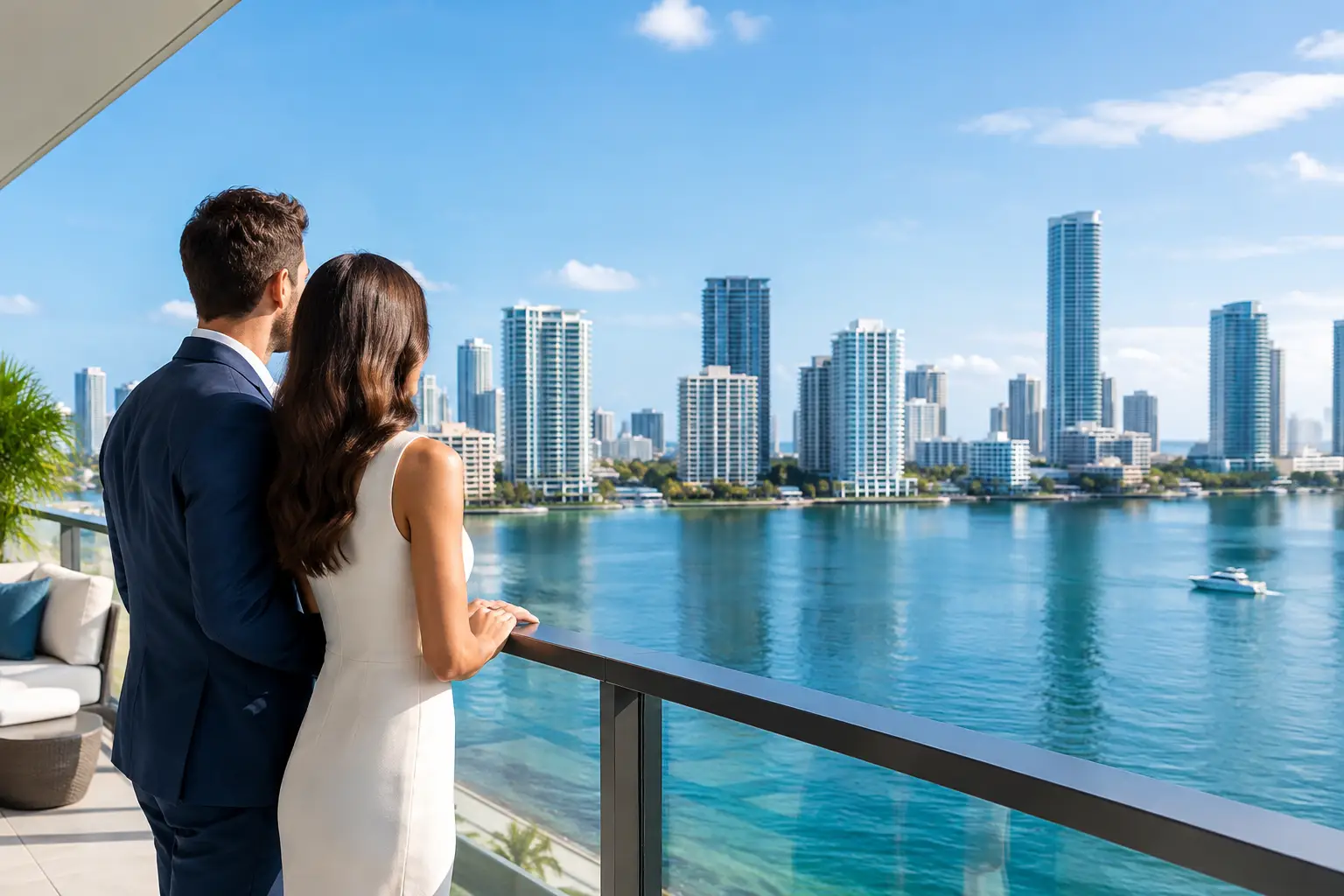
What Miami Buyers Should Know About Luxury Condos
A bayfront terrace, a private elevator, and a lobby that feels more like a boutique hotel can make a powerful first impression. But luxury condos in Miami are not defined by finishes alone. The right purchase brings together a location that fits your routine, a building that is managed well, services you will genuinely use, and ownership costs that make sense for your goals.
For some buyers, that means a full-service Brickell residence steps from offices, dining, and the waterfront. For others, it is a quieter home in Coconut Grove, a polished oceanfront building in Sunny Isles Beach, or a design-forward residence near the energy of Wynwood and Midtown. The best choice is personal, but the evaluation process should be disciplined.
What Defines Luxury Condos in Miami
Luxury is often associated with the obvious details: panoramic water views, floor-to-ceiling glass, imported stone, chef-grade kitchens, and expansive outdoor space. Those features matter, particularly in a market where architecture and indoor-outdoor living are central to a property’s appeal. Still, the most valuable qualities are often less visible during a brief showing.
A true luxury building usually combines thoughtful design with reliable daily operations. That can include a professional front desk, valet, controlled access, concierge support, well-maintained common areas, and amenities designed around how residents actually live. A fitness center is standard in many newer buildings. A well-equipped gym, private training space, spa facilities, resident lounges, coworking areas, and an attentive management team are what may set one property apart.
Privacy also carries weight. The number of residences per floor, elevator access, sight lines between neighboring units, parking arrangements, and guest procedures can have a meaningful effect on the experience of living there. A larger tower may offer an impressive amenity program and a social atmosphere. A boutique building may deliver more discretion and a quieter environment. Neither is automatically better – it depends on the lifestyle you want and the long-term buyer profile you expect to attract.
Start With the Lifestyle, Then Choose the Neighborhood
Miami’s luxury condo market is highly location-specific. Two homes with similar square footage and finishes can feel completely different because their surroundings shape daily life.
Brickell appeals to buyers who value a connected urban setting, high-rise views, restaurants, offices, and immediate access to the city’s business core. Downtown Miami offers a similarly central location, with a broader mix of new development, cultural venues, and waterfront residences. Edgewater can be especially compelling for buyers seeking direct bay views while remaining close to the conveniences of the urban core.
Miami Beach and Sunny Isles Beach speak to a more coastal rhythm, where the beach, ocean views, and resort-style services are part of the daily experience. Key Biscayne offers a more residential island setting, while Coconut Grove and Coral Gables tend to attract buyers looking for mature greenery, village character, and an established sense of place. Aventura, North Bay Village, Hallandale Beach, Midtown Miami, and Wynwood each bring their own blend of accessibility, lifestyle, and development opportunity.
Before comparing individual residences, consider how you expect to spend a typical week. Do you want to walk to dinner and meetings? Is beach access a priority? Will you use the home year-round, seasonally, or as an investment property? Is proximity to a marina, school, airport, or business district relevant? These questions narrow the search more effectively than a list of finishes ever could.
Views Are Valuable, but Context Matters
Water views remain one of Miami’s most desired features, but a view should be assessed with care. Consider the direction of the exposure, the amount of afternoon sun, the privacy of the terrace, and whether nearby parcels could change over time. A dramatic west-facing skyline view may be ideal for sunset evenings, while an east-facing residence can offer brighter mornings and a connection to the water.
The floor plan matters just as much. A residence with a slightly smaller view but excellent bedroom separation, generous storage, and a usable terrace may serve an owner better than a larger but less practical layout. Visit at different times of day when possible. Light, traffic patterns, building activity, and the atmosphere of the neighborhood can all shift from morning to evening.
Look Beyond the Purchase Price
The purchase price is only one component of condo ownership. Monthly association fees, property taxes, insurance, parking, storage, and furnishing costs should all be part of the decision before an offer is made. In full-service luxury buildings, association fees can be substantial because they support staffing, security, amenities, reserves, maintenance, and building operations.
Higher fees are not necessarily a drawback. They may reflect exceptional services, comprehensive amenities, or a building that is properly maintaining its standards. The question is whether the services align with your priorities and whether the association’s financial position supports the lifestyle being offered.
A thoughtful review should include the association’s budget, reserve funding, recent meeting minutes, rental policies, pet rules, parking assignments, and any upcoming assessments or major projects. This due diligence is especially important in older buildings, where a premier location may be paired with significant maintenance requirements. Newer construction can offer contemporary systems and amenities, but it may also carry higher pricing, evolving association operations, or construction activity in the surrounding area.
Pre-Construction Brings Choice and Responsibility
Pre-construction luxury condos can be attractive because they offer early selection of floor plans, views, finishes, and sometimes more flexible deposit structures. Buyers may have access to homes that have not yet entered the resale market, along with the appeal of a new building designed for current expectations.
However, pre-construction is a different decision from buying an existing residence. Timelines can change, renderings should be understood in the context of the offering materials, and the finished neighborhood may look different by delivery. Buyers should evaluate the developer’s track record, the proposed amenity package, unit orientation, deposit schedule, contract terms, and likely carrying costs once the building is complete.
For an investor, it is also important to understand rental restrictions and the likely competitive set at delivery. A building that allows short-term rentals may appeal to one buyer, while an owner seeking a more private residential environment may prefer stricter policies. There is no universally correct approach. The right fit depends on whether your priority is personal use, flexibility, income potential, or long-term appreciation.
How to Compare Luxury Condo Buildings With Clarity
When several buildings appear to meet your criteria, compare them through the lens of ownership rather than first impressions. A focused property review should consider four areas:
- The residence itself: layout, ceiling height, views, outdoor space, storage, finishes, and condition.
- The building: management quality, staffing, amenities, privacy, maintenance history, and financial health.
- The location: walkability, waterfront or beach access, future development nearby, and alignment with your daily routine.
- The ownership strategy: full-time living, seasonal use, rental plans, resale appeal, and expected carrying costs.
This approach makes it easier to see trade-offs. A new tower may have exceptional amenities but a smaller interior footprint. A boutique waterfront building may offer privacy but fewer services. A central Brickell address may reduce driving while a quieter island residence offers a more relaxed setting. Luxury is most satisfying when the compromises are intentional.
Representation Adds Value to the Process
In a market with varied building policies, active development, and highly individualized residences, experienced representation helps keep the search focused. A local advisor can identify meaningful differences between comparable buildings, coordinate access, review available inventory, and help you evaluate a property’s position within its neighborhood.
For sellers, the same local perspective matters when positioning a residence. A luxury condo should be presented as more than a square-footage figure. Its view corridor, service level, design details, building reputation, and lifestyle advantages all influence how qualified buyers perceive value.
Miami Best Property helps clients approach these decisions with a local, brokerage-backed perspective, from virtual property exploration to in-person tours and market guidance. The objective is not simply to find a beautiful home, but to identify a residence that works well after the keys are handed over.
The most rewarding luxury condo purchase is rarely the one with the longest amenity list. It is the home that makes your Miami life easier, more enjoyable, and more connected to the setting you chose it for.