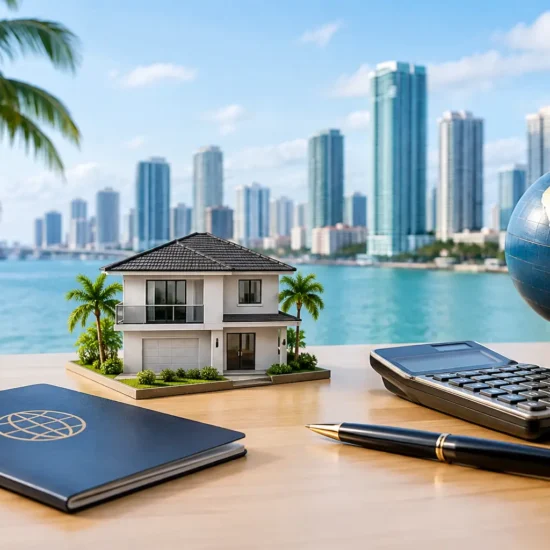
Miami Inspection Guide for Buyers and Sellers
A beautiful view, a renovated kitchen, and a sought-after address can make it easy to overlook the practical questions that matter most before closing. This Miami inspection guide helps buyers and sellers approach a property inspection with the level of care Miami real estate deserves – whether the property is a waterfront residence, a Brickell condo, a Coconut Grove home, or a pre-construction purchase nearing delivery.
An inspection is not designed to make a home look perfect. Its purpose is to give everyone a clear view of the property’s visible condition, identify items that may require attention, and support a better-informed negotiation or closing plan. In a market where homes and condos can carry significant lifestyle and investment value, that clarity is part of a smart purchase strategy.
What a Miami Property Inspection Covers
A standard residential inspection is a visual, non-invasive review of the property’s accessible systems and components. The inspector typically evaluates the roof, exterior, structure, plumbing, electrical system, HVAC equipment, interior rooms, windows, doors, appliances, attic areas, and visible signs of water intrusion or damage.
The report is not a warranty, a repair estimate, or a prediction of every future issue. It is a detailed snapshot of what the inspector can observe on the inspection day. Furniture, locked spaces, concealed conditions, and inaccessible equipment may limit the scope. That is why a strong inspection process includes both the written report and a practical conversation about what the findings mean for your particular transaction.
Miami properties deserve close attention because building styles, exposure, and maintenance needs vary widely. A historic Coral Gables residence will present a different inspection profile than a newer condo in Edgewater or a single-family home in Key Biscayne. Age alone does not determine condition. Consistent maintenance, quality renovations, permits, building management, and prior repairs can matter just as much.
Miami Inspection Guide: Start With the Right Contingency
For buyers, the inspection contingency creates a defined period to complete due diligence before moving forward. The specific timing and terms depend on the contract, so it is wise to understand the deadline before scheduling any appointments. Waiting until the final days can leave little room for specialist evaluations, repair discussions, or document review.
As soon as a contract is accepted, arrange the general inspection and any additional assessments the property may require. A qualified inspector can often recommend when a more specialized review is appropriate, such as a roof evaluation, mold assessment, plumbing scope, electrical review, or HVAC inspection.
The goal is not to request a credit for every minor observation. Every home has maintenance items, particularly in an active coastal environment. The more useful question is whether an issue affects safety, function, insurability, future costs, or your decision to proceed at the agreed price.
For sellers, an optional pre-listing inspection can reduce surprises after an offer arrives. It may reveal simple repairs, documentation gaps, or visible concerns that can be addressed before photography, showings, and negotiations begin. This approach is especially helpful for sellers who want a polished market launch and fewer last-minute conversations during the contract period.
Homes Require a System-by-System Review
For a single-family home or townhome, the inspection should look beyond finishes. Buyers are naturally drawn to pools, outdoor kitchens, renovated baths, and entertaining spaces, but the systems supporting the property deserve equal focus.
Roof, drainage, and exterior details
The roof is a major component of any Miami home inspection. Inspectors look for visible wear, damaged materials, flashing concerns, drainage issues, and signs of interior staining that may point to prior or active moisture intrusion. If the roof’s age or condition raises questions, a licensed roofing professional may be needed to provide a more detailed assessment and estimate.
Exterior drainage also matters. Water should move away from the home where possible, and gutters, downspouts, grading, patios, balconies, and exterior penetrations should be evaluated for visible conditions that can affect moisture management. For waterfront properties, buyers may also need specialized review of features such as docks, lifts, seawalls, or marine structures when applicable.
Plumbing, electrical, and HVAC
A general inspector will test accessible fixtures, observe visible supply and drain lines, and identify apparent leaks or performance concerns. Older homes may warrant a sewer line scope, particularly when there is uncertainty around the age, material, or repair history of underground plumbing.
Electrical findings can range from a missing cover plate to an outdated panel or visible safety concern. A licensed electrician should assess any condition that requires a technical diagnosis or repair recommendation. The same principle applies to air conditioning. Miami’s warm climate makes HVAC performance more than a comfort issue. Ask about the age of equipment, service records, visible installation concerns, and whether the system is cooling effectively during the inspection.
Permits and renovations
A sophisticated renovation can add considerable appeal, but buyers should verify that significant work was completed with appropriate approvals when required. This may include additions, structural changes, electrical upgrades, plumbing work, window replacements, pools, and major remodeling. Permit history and seller disclosures can provide valuable context, while an experienced real estate professional can help buyers understand which questions are appropriate to raise before closing.
Condo Inspections Include the Building Context
A condominium inspection focuses on the individual unit, but buying a condo also means buying into a building. That distinction is essential in areas such as Brickell, Downtown Miami, Miami Beach, Sunny Isles Beach, and Aventura, where lifestyle, service, amenities, and building operations all shape ownership experience.
Inside the unit, the inspector will review accessible appliances, plumbing fixtures, electrical components, windows, doors, HVAC equipment, ceilings, floors, and visible moisture indicators. Balconies deserve particular attention for visible surface conditions, drainage, railings, doors, and accessible finishes. However, the inspector does not replace an engineering review of the building or an association’s official records.
Buyers should also carefully review condominium documents, budgets, rules, insurance information, recent meeting minutes, reserve information, and any disclosed special assessments or planned projects. A unit can be beautifully maintained while the building is preparing for work that affects costs, access, or daily routines. Conversely, a building with active improvement projects may be investing in its long-term appeal. Context matters.
Ask the association or management team about move-in procedures, renovation rules, pet policies, leasing restrictions, parking, storage, amenity access, and any building-specific requirements. These details shape the ownership experience just as much as the unit’s floor plan.
When to Bring in Specialists
A general inspection is the starting point, not always the final word. Specialists add value when the report identifies a material concern, when a feature is outside the general inspector’s scope, or when the property’s age and design call for deeper review.
Common follow-up evaluations may include roofers, electricians, plumbers, HVAC technicians, mold assessors, pool professionals, chimney specialists, structural engineers, marine contractors, or window and door experts. Not every property needs every specialist. The right selection depends on the inspection findings, seller disclosures, property type, and your tolerance for future maintenance.
For example, a minor hairline crack may be a routine finish issue, while a pattern of cracking, door movement, or water intrusion could justify further evaluation. A capable buyer does not assume the worst, but also does not rely on assumptions when a qualified opinion is available.
How to Read the Inspection Report Without Overreacting
Most reports are detailed and can feel overwhelming on first review. A long report does not automatically indicate a bad property. Inspectors document many observations, including routine maintenance and recommended upgrades, so buyers have a complete record of visible conditions.
A productive way to review the report is to separate findings into three categories: safety concerns, major functional or structural items, and routine maintenance. Then consider the age of the home, the asking price, recent improvements, and the cost and timing of any needed work.
A newly built home may have punch-list items. A 1960s residence may have older systems that still function but need planning for eventual replacement. A luxury condo may have pristine interiors but an HVAC unit approaching the end of its expected service life. The right response depends on the full picture, not one line item.
When repairs or credits are appropriate, keep requests focused and supported by the inspection findings. Clear, reasonable negotiations are more likely to keep a transaction moving than a broad request to make an older property feel brand-new.
Pre-Construction and New-Construction Inspections
New does not mean inspection-free. Buyers of pre-construction or recently completed residences should consider an independent inspection before final acceptance, subject to the developer’s process and contract terms. The inspection can identify incomplete work, cosmetic items, appliance concerns, door and window adjustments, plumbing issues, and visible finish defects that belong on a punch list.
For pre-construction buyers, contracts, delivery schedules, deposits, finishes, upgrades, and warranty procedures are equally important. Keep copies of selection documents, communications, and walkthrough notes. During a final walkthrough, test accessible features, photograph concerns, and make sure any agreed items are documented through the appropriate channel.
Make Inspection Day Work for You
Whenever possible, attend the inspection for at least the final portion of the appointment. Seeing the property with the inspector often provides more useful perspective than reading the report alone. You can ask where shutoff valves are located, how systems operate, which items need immediate action, and which are simply worth monitoring.
Bring a practical mindset. No property is maintenance-free, and a well-managed purchase account includes room for ownership costs after closing. At the same time, buyers should feel comfortable pausing for answers when a concern is unclear. The right property is not the one with zero inspection notes. It is the one whose condition, lifestyle, and future responsibilities align with your goals.
Miami Best Property can help buyers and sellers coordinate the inspection phase within the broader transaction, from offer strategy and condo document review to negotiations and closing preparation. A careful inspection is not a detour from finding your place in Miami. It is one of the steps that lets you enjoy it with greater confidence.