8 Key Biscayne Homebuyer Questions Answered
You can tell a lot about Key Biscayne from the first question buyers ask. It is rarely just, “What can I get for my budget?” More often, it is some version of, “What does daily life here actually feel like, and what should I watch before I buy?” That is why these key biscayne homebuyer questions matter. This is a market where lifestyle, building quality, location within the island, and long-term value all intersect.
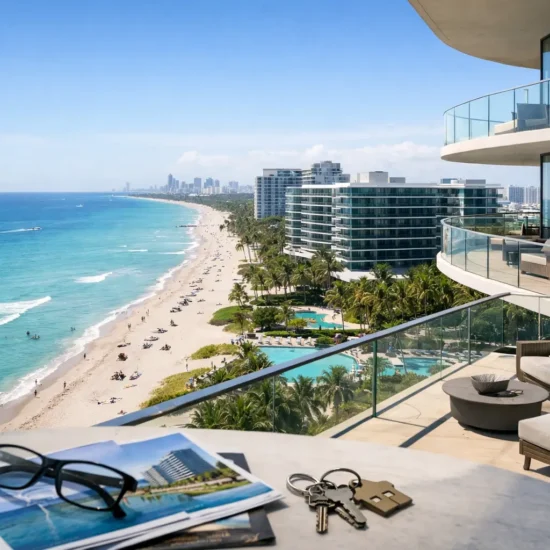
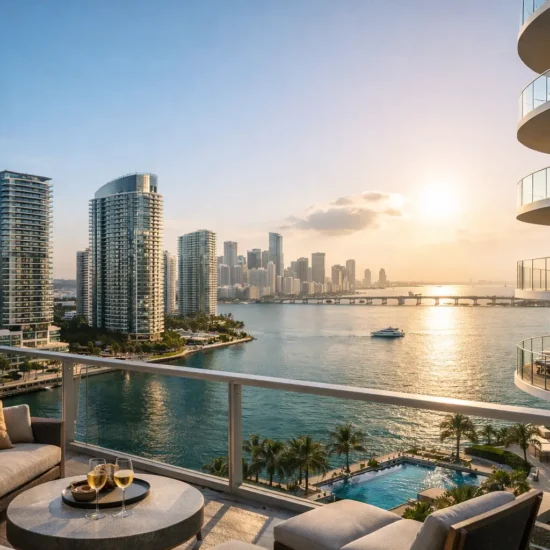
For buyers considering a primary residence, second home, or strategic South Florida purchase, Key Biscayne offers something distinct – privacy, beach access, a more residential rhythm, and a polished coastal setting that feels removed from the pace of the urban core while staying close to it. The right purchase starts with the right questions.
Key Biscayne homebuyer questions about price and value
One of the first Key Biscayne homebuyer questions is whether prices are driven more by square footage or by lifestyle premium. The honest answer is both, but the lifestyle premium is real. Buyers are not only paying for interior space. They are paying for island access, beach proximity, village character, and a market with limited supply.
That makes price comparisons tricky. A condo in Key Biscayne may be evaluated very differently from a similarly sized property elsewhere because the buyer pool is often prioritizing exclusivity, walkability to the beach, and a quieter residential experience. For single-family homes, lot size, renovation level, and exact placement on the island can shift value quickly.
This is where buyers should avoid relying on broad Miami averages. Key Biscayne tends to perform on its own terms. If you are comparing options, look at recent comparable sales, building condition, carrying costs, and how well the property aligns with your actual use. A beautifully renovated unit with strong amenities may offer better long-term satisfaction than a larger property with deferred maintenance and high future assessments.
Should you buy a condo or a house in Key Biscayne?
This question usually comes down to lifestyle first and maintenance second. Condos appeal to buyers who want convenience, security, amenities, and direct beach access. Many also prefer the lock-and-leave ease if they split time between homes. A well-run condominium can make ownership far simpler, especially for seasonal residents.
A house offers more privacy, more flexibility, and often more room for families or buyers who entertain frequently. It may also provide stronger control over renovations and outdoor space. But that control comes with responsibility. Maintenance, landscaping, insurance considerations, and capital improvements all sit with the owner.
There is no universal better choice. For some buyers, a condo delivers the exact Key Biscayne lifestyle they want with fewer moving parts. For others, only a home with a yard, pool, or larger footprint will feel worth the investment.
What condo buyers should check carefully
If you are buying in a condominium, monthly fees should never be viewed in isolation. A higher fee in a well-capitalized building with quality reserves, attentive management, and updated common areas can be more attractive than a lower fee in a building facing major future work.
Review the building’s financials, reserve situation, pending assessments, renovation history, and rules around leasing, pets, and move-ins. In Key Biscayne, where many buyers are paying for a premium living environment, the building experience matters almost as much as the unit itself.
What house buyers should check carefully
For single-family homes, buyers should look beyond finishes. Renovated kitchens and polished staging are easy to see. Roofing age, windows and doors, electrical and plumbing updates, lot drainage, and overall construction quality deserve equal attention. On an island market, practical property details can shape both comfort and ownership costs.
How important is location within Key Biscayne?
Very. Buyers sometimes think of the island as one uniform market, but the feel can shift meaningfully depending on where a property sits. Some buyers want immediate beach proximity and amenity access. Others prefer a quieter residential street, easier school routines, or a little more separation from busier corridors.
Walkability is a major factor here. Being able to reach parks, shops, dining, the beach, or village conveniences without relying heavily on a car can become a large part of the property’s everyday value. At the same time, some buyers are willing to trade that convenience for more privacy or a larger home site.
The right location depends on how you plan to live. A family with school-age children, a couple buying a second residence, and an investor focused on long-term desirability may each favor different pockets of the market.
Are HOA fees and ownership costs higher than expected?
This is one of the most practical key biscayne homebuyer questions, and it deserves a direct answer. Yes, total ownership costs can surprise buyers who focus too narrowly on purchase price.
For condos, monthly association dues may include staffing, amenities, reserves, insurance elements, and maintenance of common areas. For houses, insurance, landscaping, pool service, and general upkeep can add up quickly. Buyers should also account for taxes, utility costs, and any near-term improvement plans.
The smart approach is to build a realistic monthly ownership picture before making an offer. A property that looks attractive on price alone may feel less compelling once all recurring costs are added. On the other hand, a more expensive property with lower future maintenance risk can be the stronger financial choice.
What should buyers know about financing in this market?
Financing depends on both the buyer profile and the property itself. Some purchases move forward with conventional financing, while others involve jumbo loan structures or all-cash offers. In higher-end coastal markets, sellers often respond favorably to clean terms, solid proof of funds, and lenders who can perform on schedule.
Condo financing may involve extra scrutiny. Lenders can review the building’s financial condition, reserve funding, insurance, litigation status, and occupancy mix. That means a buyer who is pre-approved generally should still confirm that the specific building fits lender guidelines.
Cash offers can be competitive, but financing is not automatically a disadvantage if it is well organized. Strong pre-approval, appropriate reserves, and a clear closing timeline can make a financed offer very credible.
Is Key Biscayne mainly for full-time residents or second-home buyers?
It serves both, which is part of its appeal. Some buyers are looking for a primary residence with a more refined, coastal, family-oriented environment. Others want a second home that feels elevated and easy to enjoy throughout the year. There are also buyers who see value in holding property in a consistently desirable South Florida location.
That mix matters because it influences building culture, seasonal activity, and purchase priorities. A buyer seeking a full-time lifestyle may focus more on school access, interior functionality, and community rhythm. A seasonal buyer may care more about amenities, views, security, and low-maintenance ownership.
Neither approach is better. The key is choosing a property that matches your real usage pattern rather than an imagined one.
How competitive is the buying process?
It depends on property type, pricing strategy, and current inventory. Well-positioned listings in desirable buildings or on sought-after streets can attract quick interest, especially when they show well and are priced in line with market expectations. Overpriced properties, or those with condition issues, may sit longer and create room for negotiation.
This is why preparation matters. Buyers who understand the market, review comparable sales, and move quickly when the right property appears tend to have better results. In a lifestyle-driven market, hesitation can mean losing a property that checks the boxes buyers care about most.
At the same time, speed should not replace diligence. Reviewing condominium documents, inspection findings, title details, and total carrying costs remains essential. A polished listing photo set is not a substitute for careful analysis.
What makes a property a smart long-term buy here?
The strongest purchases usually combine personal enjoyment with durable market appeal. In Key Biscayne, that often means good location, functional layout, quality building or construction standards, and features that remain attractive across different buyer profiles.
For condos, enduring value often comes from reputable management, well-maintained amenities, smart floor plans, and strong positioning within the building. For homes, lot quality, layout, update level, and overall livability matter as much as pure size.
Buyers should also ask whether a property will still make sense five to ten years from now. Will the layout work if your needs change? Will carrying costs remain comfortable? Does the property stand out in a good way without being overly customized for a narrow audience? Those are often better long-term questions than simply asking whether the seller will accept less.
The right questions lead to the right purchase
Most buyers do not need more listings. They need sharper filters. The best outcomes usually come from asking better questions early – about costs, location, building quality, financing, and how the property fits the lifestyle you actually want.
In a market like Key Biscayne, that clarity is valuable. It helps you move decisively when the right opportunity appears, and it helps you walk away when a property looks attractive on the surface but does not hold up under closer review. If you approach the search with a clear strategy, local perspective, and attention to the details that matter most, the right home tends to stand out quickly.