How to Choose a Miami Realtor With Confidence
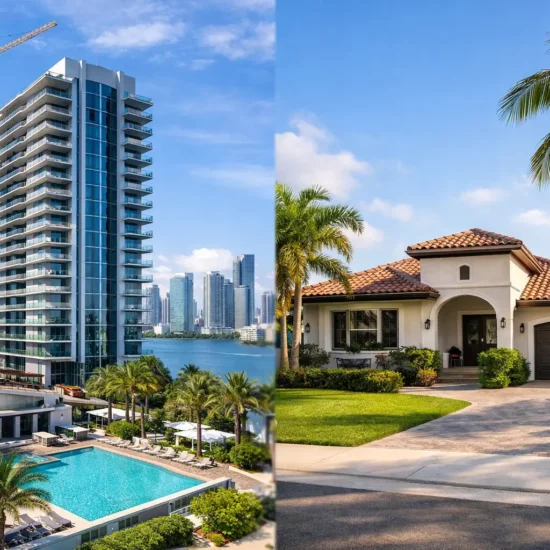
A waterfront view, a Brickell tower, a Coral Gables home, or a pre-construction residence can all look compelling online. The difference between a good Miami property decision and an expensive detour often comes down to representation. Knowing how to choose a Miami realtor means looking beyond a polished profile and finding an advisor who understands your goals, your preferred lifestyle, and the details behind each opportunity.
Miami is not one market with one set of rules. Inventory, buyer demand, building policies, rental potential, and pricing can shift significantly from one neighborhood to the next. The right realtor helps you see what is behind the listing, so you can move forward with clarity.
Start With the Type of Move You Are Making
Before interviewing an agent, define what you need help accomplishing. A buyer looking for a primary residence in Coconut Grove needs a different strategy than an investor evaluating a luxury condo in Sunny Isles Beach or a seller positioning a home for an international audience.
Be specific about your timeline, budget range, financing status, preferred property type, and non-negotiables. If lifestyle is central to your search, say so. Walkability, marina access, school proximity, private club amenities, views, pet policies, and commute patterns can all affect which areas and buildings make sense.
A strong realtor will ask thoughtful follow-up questions rather than immediately sending a long list of listings. That early conversation should make you feel that your search is being shaped around your priorities, not pushed toward the agent’s easiest inventory.
How to Choose a Miami Realtor for Local Expertise
Local knowledge should be specific, not general. Many professionals can say they work in Miami. The better question is whether they understand the particular neighborhoods, buildings, and property categories that matter to you.
For a condo buyer, this may mean knowing which buildings have meaningful reserve requirements, rental restrictions, approval processes, valet services, private elevators, or renovation histories. For a home buyer, it may mean understanding lot characteristics, architectural styles, school-area preferences, and the practical differences between neighboring streets. For a seller, it means knowing which features are likely to resonate with the most qualified buyer pool.
Ask an agent which areas and property types they work with most often. Then listen for useful detail. An experienced Miami specialist should be able to explain why pricing differs between Downtown Miami, Edgewater, Miami Beach, Key Biscayne, and Aventura without relying on broad statements about location alone.
Look for Building-Level Knowledge
In Miami’s condo market, a building can be as important as the neighborhood. Two residences with similar square footage and views may carry very different values because of amenities, maintenance costs, rental flexibility, service levels, parking, or the condition of common areas.
Your realtor should be comfortable discussing the questions that affect ownership after closing, not only the features that make a property photograph well. This is particularly valuable when comparing established luxury buildings with newer developments or pre-construction opportunities.
Verify Experience, Credentials, and Market Activity
Professional representation starts with confirming that the agent is properly licensed and active in the local market. Credentials matter, but they are only one part of the picture. You also want evidence that the realtor is engaged with current inventory, recent transactions, and the pace of negotiations in your target area.
Ask how they approach pricing, offer strategy, inspections, appraisals, and contract timelines. If you are selling, ask how they determine a listing price and how they would position your property against active competition. If you are buying, ask how they identify value when attractive listings receive strong interest.
The best answers are clear and practical. Be cautious with promises of an unusually fast sale, an effortless bidding win, or a guaranteed price without first reviewing the property, market conditions, and comparable opportunities. Miami real estate rewards preparation, not oversized claims.
Pay Attention to Communication Before You Commit
The first few interactions often reveal how a realtor will work once the search or sale is underway. Are they prompt? Do they answer direct questions? Do they explain unfamiliar terms without talking down to you? Are they organized when sharing property details and next steps?
Communication style is not a minor preference. A relocating buyer may need video walkthroughs, virtual tours, and clear updates across time zones. A seller may need quick feedback after showings and a concise explanation of marketing activity. An investor may prefer focused financial comparisons rather than broad lifestyle recommendations.
Choose someone whose process matches the way you make decisions. A realtor can be highly experienced and still be the wrong fit if their communication is scattered, overly aggressive, or too slow for your timeline.
Ask About Their Team and Availability
Some transactions benefit from a wider support structure, especially when scheduling, marketing, paperwork, lenders, attorneys, inspectors, and building management are involved. Ask whether the agent works independently or with a team, and who will be your primary contact.
There is no single right model. A solo agent may provide highly personal attention, while a well-managed team can offer strong coverage and specialized support. What matters is knowing who is responsible for each part of the process and how quickly you can expect a response when a decision is time-sensitive.
Evaluate Their Marketing and Search Tools
For sellers, exposure is not just about placing a property online. Premium marketing should present the home with accurate information, professional visuals, a persuasive property story, and a plan for reaching the appropriate audience. A luxury waterfront residence, for example, may require a different presentation than a design-forward condo in Wynwood or a family home in Coral Gables.
Ask a prospective listing agent how they plan to market your specific property. The answer should cover pricing strategy, photography, video, virtual presentation, showing coordination, buyer feedback, and regular reporting. A generic proposal may indicate a generic campaign.
For buyers and renters, useful technology should make the process more efficient, not more impersonal. Curated property alerts, virtual tours, video previews, neighborhood guidance, and market reports can help you narrow choices before spending time on showings. Miami Best Property combines these digital discovery tools with direct brokerage guidance, which is especially helpful for clients who want both convenience and informed representation.
Discuss Negotiation Strategy, Not Just Sales Volume
A realtor’s value becomes most visible when a decision has financial consequences. Negotiation is not simply asking for a lower price or insisting on a higher one. It involves reading the property’s market position, understanding the other side’s priorities, anticipating obstacles, and protecting your leverage.
Ask for examples of how the agent handles multiple-offer situations, inspection findings, appraisal questions, or changes to a buyer’s timeline. You do not need confidential details from past clients. You do need to understand how they think under pressure.
For buyers, the right offer may include more than price. Timing, financing strength, deposit terms, contingencies, and flexibility can all matter. For sellers, the highest offer is not always the strongest offer if the buyer’s ability to close is uncertain. An experienced realtor will explain these trade-offs directly.
Make Sure They Understand Pre-Construction
Pre-construction can offer the appeal of a new residence, modern amenities, and a longer planning horizon. It also calls for careful guidance. Deposit schedules, floor plan selections, developer documents, anticipated completion dates, assignment policies, and ongoing ownership costs should all be part of the discussion.
Choose a realtor who can help you compare a pre-construction opportunity with existing inventory honestly. New development may be an excellent fit for a buyer seeking a particular design, service level, or future move-in date. It may be less suitable for someone who needs immediate occupancy or wants to evaluate a fully established building today.
The goal is not to be pushed toward what is newest. It is to understand which option best supports your ownership plan.
Trust the Fit, Then Set Expectations
After you have checked expertise, communication, and strategy, trust your assessment of the working relationship. You should feel comfortable asking questions, challenging assumptions, and stating your priorities. The right realtor is confident without being dismissive and proactive without creating pressure.
Before formally working together, confirm the scope of representation, expected communication cadence, availability, and any agreements or fees involved. Clear expectations protect both sides and make the process more efficient from the first showing through closing.
The Miami property you choose may shape your daily routine, investment plan, or next chapter for years. Choose a realtor who treats that decision with the preparation, local perspective, and personal attention it deserves.