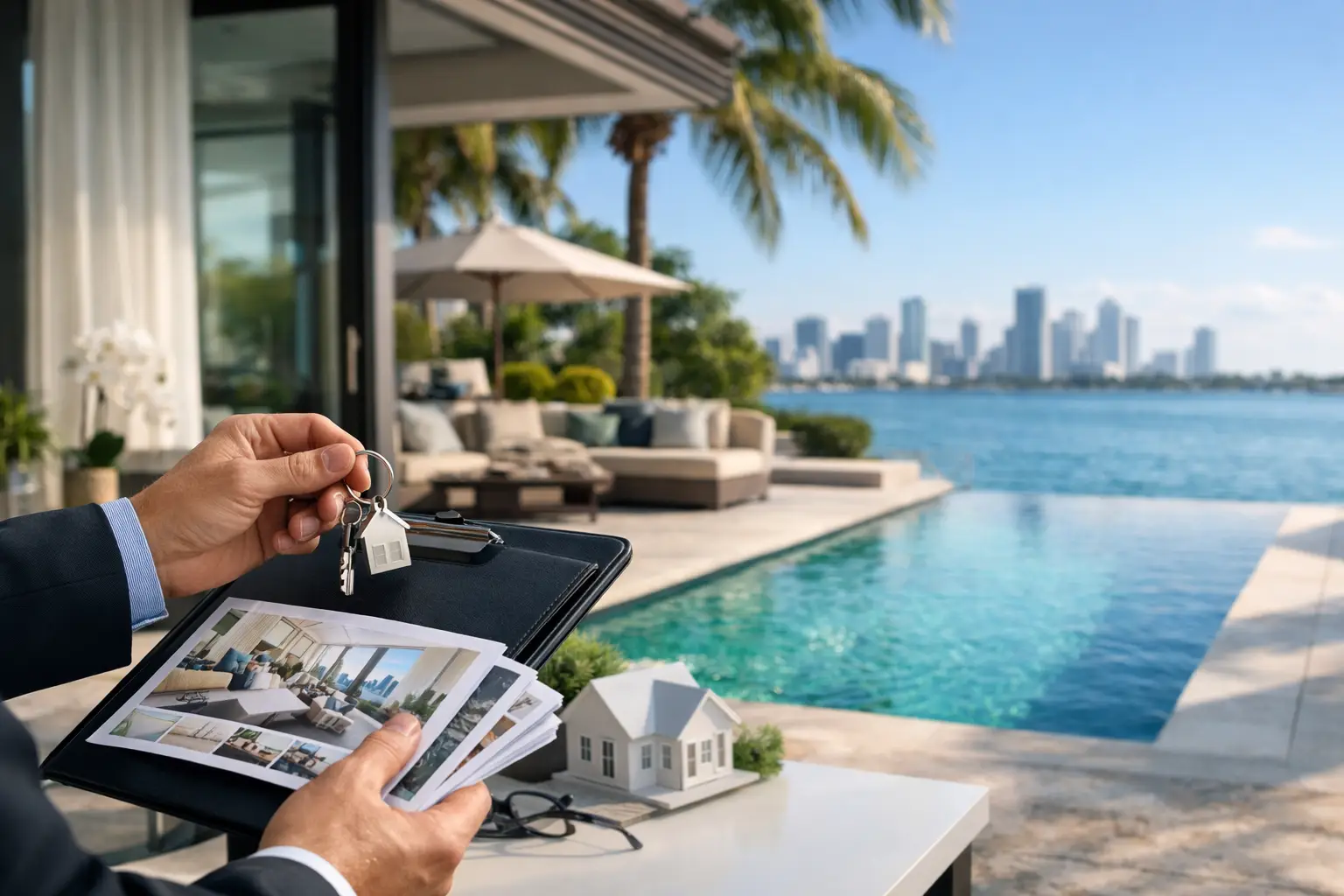
How to Prepare a Miami Home Listing to Stand Out
A Miami home can have the right address, beautiful architecture, and exceptional finishes, yet still miss its strongest market opportunity if the launch feels rushed. To prepare a Miami home listing well, sellers need more than a clean house and a few photos. They need a clear strategy that positions the property for the buyers most likely to appreciate its lifestyle, location, and value.
Miami buyers often make fast first impressions online, especially when they are relocating, investing, or purchasing from another city or country. The goal is to make every detail – from the pricing conversation to the first image – support a confident decision to schedule a private showing.
Start With a Miami-Specific Pricing Strategy
Pricing is not simply a matter of choosing a number that feels appropriate. It is a positioning decision. A waterfront residence in Coconut Grove, a family home in Coral Gables, and a contemporary property near Brickell may appeal to distinctly different buyers, even when their square footage is similar.
A thoughtful listing strategy begins with recent comparable sales, active competition, pending listings, condition, lot characteristics, views, and the property’s individual features. In Miami, details that may look minor on paper can materially shape buyer perception: renovated kitchens, impact windows and doors, outdoor entertaining areas, a private dock, guest accommodations, or a move-in-ready pool area.
The strongest asking price is not always the highest possible number. An ambitious price can be appropriate when a home offers a truly scarce combination of location, design, and condition. But if it places the property outside the range buyers are actively considering, the listing can lose momentum during the period when attention is highest. A local market review helps establish a price that respects the home’s value while inviting qualified interest.
Prepare a Miami Home Listing Before the Camera Arrives
Presentation begins with condition. Buyers should be able to picture themselves arriving, entertaining, and relaxing in the home without mentally subtracting a list of repairs. That does not mean every seller needs to undertake a full renovation. It means focusing spending where it improves confidence and broadens appeal.
Begin with a practical walkthrough. Repair visible wall damage, address dripping fixtures, replace burned-out bulbs, refresh worn caulk, and ensure doors, cabinets, and appliances operate as expected. In a premium market, deferred maintenance can distract buyers from an otherwise impressive home because it raises questions about what they cannot see.
Fresh paint is often one of the most effective improvements when colors are highly personal, surfaces show wear, or rooms feel darker than they should. Neutral, elevated tones tend to photograph well and allow architectural details, natural light, and views to take the lead. If a major update is under consideration, weigh the likely return carefully. A seller may benefit more from refinishing a dated vanity, replacing tired hardware, or improving landscaping than from starting an extensive project shortly before listing.
Make Outdoor Living Part of the Sale
Outdoor space is not an afterthought in South Florida. It is part of the daily lifestyle buyers are considering. Patios, balconies, pools, summer kitchens, gardens, and waterfront seating areas deserve the same attention as interior rooms.
Clean pool decking, trim landscaping, remove unnecessary outdoor furniture, and make sure cushions, lighting, and planters feel intentional. If the property has a view, frame it rather than competing with it. The right outdoor presentation helps buyers understand how the home lives beyond its interior square footage.
Declutter Without Making the Home Feel Empty
A polished home should feel edited, not sterile. Remove excess furniture, personal collections, crowded countertops, oversized rugs, and anything that blocks circulation or light. This is especially valuable in condos and townhomes, where a clear layout can make rooms feel more spacious.
At the same time, avoid stripping the home of warmth. A well-styled dining table, crisp bedding, a welcoming seating area, and a few restrained accessories can help a buyer connect emotionally. For vacant or highly personalized homes, professional staging may be worthwhile. It can be particularly effective when the home needs help demonstrating room scale or a defined use for flexible spaces.
Build the Story Buyers Will See Online
Most buyers meet a property on a screen before they see it in person. Professional photography is therefore not a finishing touch. It is a central part of the listing strategy.
Photography should highlight the home’s strongest assets in the right sequence: curb appeal or building presence, principal living spaces, kitchen, primary suite, outdoor areas, and the details that distinguish the property. Bright, accurate images matter more than overly edited ones. Buyers want to feel that the home will be as compelling in person as it appears online.
Video and virtual tours can add real value, particularly for international clients, busy professionals, and buyers comparing several neighborhoods from a distance. A well-produced tour gives them a sense of flow that still photography cannot always provide. It should feel purposeful rather than repetitive, showing how the main rooms connect and where the lifestyle moments happen.
The written description should do more than recite features. It should explain the experience of the home with precise, credible language. Instead of relying on broad claims of luxury, show what creates the premium experience: morning light across the terrace, a renovated chef’s kitchen, a quiet home office, or a walkable setting near dining, parks, and waterfront recreation.
Get the Details Ready for Serious Buyers
A prepared seller can respond quickly when interest turns into questions. Before the listing goes live, gather the documents and information a buyer may request. For a single-family home, that can include utility information, renovation dates, permit records when available, survey details, warranties, and a list of notable improvements. For a condo, organize association documents, monthly fees, parking details, pet policies, rental rules, amenity information, and any relevant application requirements.
Be candid about known issues and practical realities. Clear information builds trust and helps prevent surprises later in the transaction. If an older roof, original plumbing element, or planned building assessment is part of the picture, discuss it with your agent before marketing begins so the home can be positioned responsibly.
It is also wise to consider showing logistics in advance. Decide how much notice is needed, where pets will go during appointments, and how personal valuables will be secured. A home that is difficult to show can miss qualified buyers, especially in a market where schedules may be compressed around travel plans.
Create a Launch Plan, Not Just a Listing Date
The first days on market are valuable because they bring the highest concentration of new-listing attention. A coordinated launch ensures the home is fully ready when that attention arrives. Photos, video, property details, access instructions, disclosures, and pricing should be complete before the listing is activated.
Timing depends on the property and seller’s goals. A seller who needs privacy may prefer carefully scheduled private appointments. A home with broad appeal may benefit from a more visible opening weekend. The right approach depends on price point, neighborhood, property condition, and whether the likely buyer is local, domestic, or international.
Once showings begin, pay attention to the feedback. Comments about price, layout, condition, or buyer expectations can reveal whether the market understands the home’s value proposition. Not every opinion should prompt a change, but patterns deserve a measured response. Marketing a Miami residence is an active process, not a one-time upload.
Keep the Home Show-Ready While It Is Active
The listing period asks for a little discipline, but it protects the investment made in preparation. Maintain clean surfaces, open window treatments before showings, keep the temperature comfortable, and preserve the exterior presentation. Small habits make a difference when a buyer decides to see the property with limited notice.
For occupied homes, create a simple daily reset routine: clear kitchen and bathroom counters, store pet items, make beds, empty trash, and return outdoor areas to their staged appearance. It is a modest effort that keeps the property ready for the buyer who may become the right offer.
A carefully prepared listing does more than make a home look attractive. It gives buyers a clear, credible reason to believe they have found a property worth pursuing – and gives sellers the confidence to enter the Miami market with their best first impression already in place.